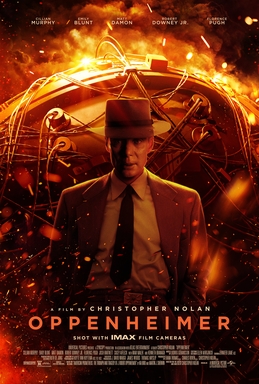
Christopher Nolan's Oppenheimer emerges as a landmark film in the context of modern cinema, showcasing the director’s masterful ability to weave complex narratives that delve deeply into the human psyche. Known for his unique narrative structures and attention to visual detail, Nolan has consistently explored themes of isolation and moral ambiguity in his work. With Oppenheimer, he shifts focus to the life of J. Robert Oppenheimer, the theoretical physicist who played a key role in the development of the atomic bomb during World War II. This film stands out not just as a historical biopic but as an exploration of the horrific consequences of scientific advancement and individual choices amid geopolitical pressures.
Critics have praised Oppenheimer for its rich tapestry of internal turmoil and emotional complexity. The film's narrative structure oscillates between Oppenheimer’s past and his present struggles, vividly portraying his haunted psyche and the resultant PTSD that permeates his life following the bomb's detonation. The film skillfully captures the enormity of his decisions, illustrating the chain reaction they set off, not only in the immediate aftermath of World War II but also in the broader context of modern society. Oppenheimer offers an unsettling reflection on the moral ambiguities of scientific discovery and the domino effect that each individual decision can have on the course of human history.
Visually, the film showcases Nolan's penchant for large-scale cinematography interspersed with intimate moments that evoke the feeling of solitude within a crowded world. The artistic choices, from the shabby little rooms of academic discussions to spectacular bomb tests, create an ambiance of both grandeur and despair. This juxtaposition amplifies the emotional gravitas of the narrative as viewers are drawn into the psyche of a man grappling with the weight of his contributions to humanity's most devastating weapon.
Information-rich dialogue drives the narrative, making every exchange not just entertaining but profound. As characters navigate the complex landscape of loyalty, guilt, and the haunting specter of their choices, viewers are invited into a fraught exploration of human fallibility. The film’s pacing effectively builds tension, drawing the audience into Oppenheimer's world, a supercharged and tumultuous era of both scientific wonder and existential dread.
Ultimately, Oppenheimer engages with the myths surrounding the man himself while critically examining the geopolitical residue left in the wake of the atomic age. It serves not just as a biographical account but as a meditation on the burdens of legacy and the emotional imprisonment that can follow great creativity when confronted with the chaos of its consequences. Nolan's exploration into the psyche of Oppenheimer presents a quest for absolution that resonates long after the credits roll, transforming a historical narrative into a stunningly contemporary examination of the human experience.