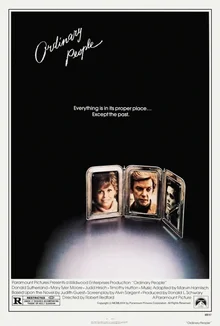
Ordinary People, directed by Robert Redford, marked a significant moment in cinema history, both for its poignant storytelling and its exploration of the complexities of family dynamics. Released in 1980, the film debuted in an era characterized by a burgeoning interest in psychological realism, bridging the gap between traditional narrative cinema and the more introspective, character-driven films that would come to define the decade. Redford, primarily known for his on-screen charisma, made his directorial debut with this film, showcasing a keen understanding of nuanced character development and emotional depth that would solidify his status as a prominent filmmaker.
At its core, Ordinary People delves into the themes of grief, mental health, and self-discovery amidst the facade of surface-level suburban life. The tumultuous relationship between the Jarrett family members unfolds with chillingly repressed emotions, revealing layers of pain and dysfunction that lie beneath their seemingly ordinary existence. Critics have praised the film for its intelligent and perceptive portrayal of a family's struggle with the aftermath of tragedy, depicting how grief can manifest in various destructive forms. The narrative follows Conrad, a young man grappling with overwhelming feelings of guilt and loss after the death of his brother, as he navigates the treacherous waters of mental health and familial expectations.
The critical consensus underscores Ordinary People as a beautifully observed account of a family in crisis, moving effortlessly between moments of painful confrontation and tentative healing. The film showcases the selfishness inherent in fractured relationships, especially as characters wrestle with their own burdens. The performances, particularly those of Timothy Hutton, Mary Tyler Moore, and Donald Sutherland, are lauded for their emotional honesty, allowing audiences to witness the raw vulnerability that often accompanies grief and healing. Each character serves as a complex representation of suburban life, juxtaposing the idyllic appearances of their environment against the turbulent realities of their internal struggles.
What sets Ordinary People apart is its refusal to provide easy resolutions, opting instead for a thoughtful exploration of emotional realities. Redford's direction is both sensitive and incisive; he captures the painful yet essential exchanges within the Jarrett family with an authenticity that resonates profoundly with viewers. This film, described as moving and intelligent, ultimately challenges its audience to confront the often unacknowledged pain within their own lives, imploring individuals to seek understanding and healing in a world that can seem crushingly indifferent.