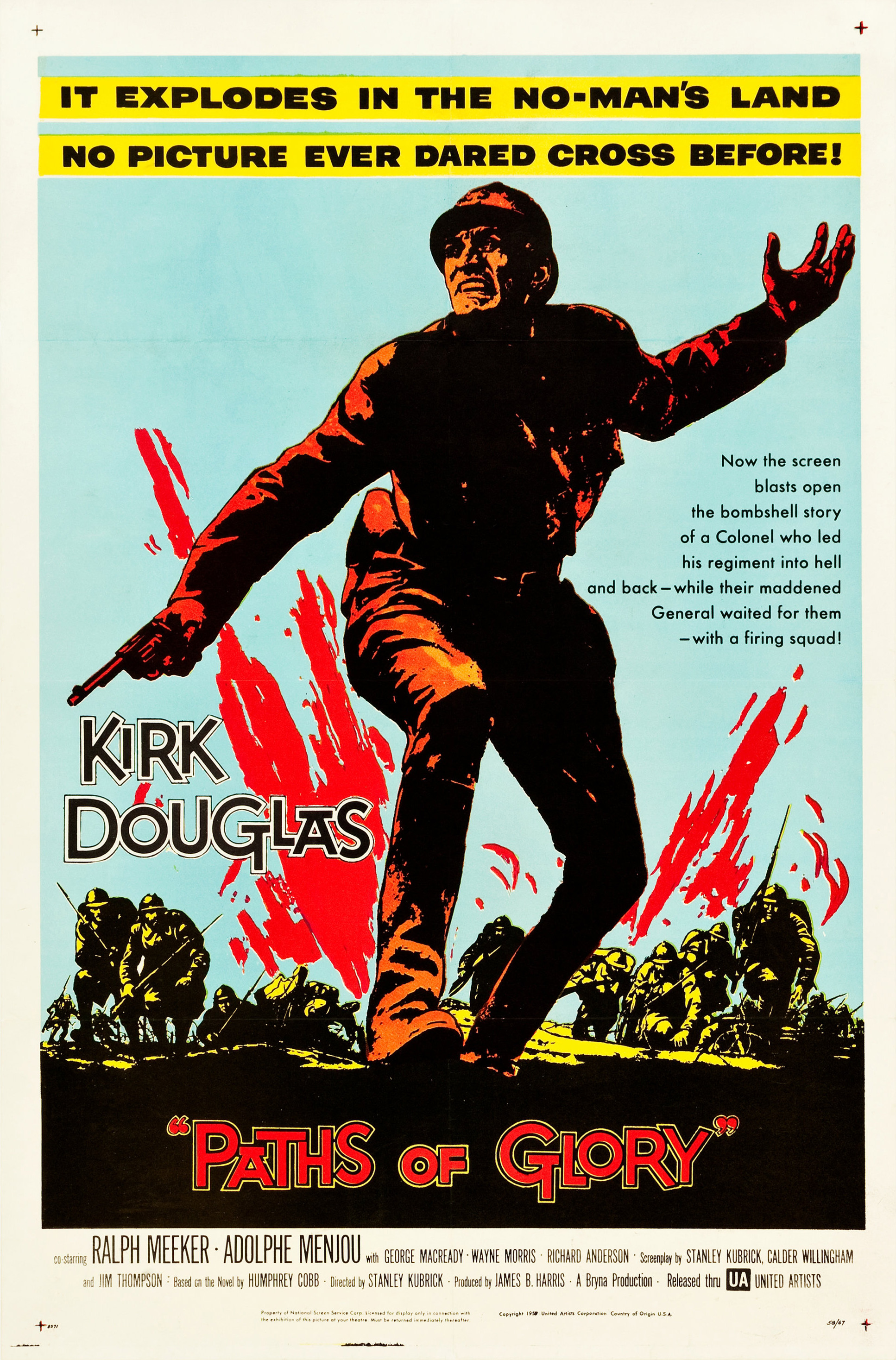
Stanley Kubrick's Paths of Glory stands as a poignant critique of war, equivalent to the most potent anti-war narratives in cinema history. Released in 1957, this film emerged at a time when society was grappling with the moral implications of conflict, particularly in the context of the Cold War and the lingering fallout of World War II. Known for his meticulous style and unyielding scrutiny of human behavior, Kubrick directs this narrative with an unflinching lens, illuminating the harrowing realities faced by soldiers and the institutional failures that lead to tragedy. This film sets a remarkable precedent, not only within Kubrick's oeuvre, a collection rich with explorations of the human condition, but also within the broader landscape of war cinema.
At its core, Paths of Glory encapsulates the bleakness of military hierarchy and the profound injustices inherent in wartime decisions. The film centers around a group of French soldiers who are court-martialed following a failed attack, underscoring the tragic consequences of military incompetence and moral corruption. Critics have hailed its uncompromising portrayal of the human cost of war, where the lives of the innocent are easily sacrificed at the altar of ambition and the desire for glory. The film's gripping narrative highlights class disparity, illustrating how those in power often remain detached from the brutal realities experienced by the soldiers on the front lines.
Kubrick masterfully crafts a story that challenges the viewer to confront the moral ambiguity of warfare, portraying military leaders as both incompetent and flawed. The film's bleak atmosphere serves as a backdrop for characters who grapple with their humanity amid the horrors of battle. This detachment from humanity is further exacerbated by military bureaucracy, which views soldiers as expendable resources rather than individuals with hopes and dreams. As such, Paths of Glory serves as a scathing indictment of an institutional mindset that prioritizes rank and power over dignity and compassion.
The piercing commentary on war atrocities resonates deeply, urging audiences to reflect on the disillusionment that often accompanies such conflicts. Through the lens of justice, serving an unwarranted punishment on the wrong men, Kubrick poses challenging questions about guilt, responsibility, and the price of loyalty. The film's effective pacing and striking cinematography create a gripping experience, drawing the viewer into a world of despair while simultaneously provoking critical thought about the moral implications of military decisions.
In essence, Paths of Glory transcends its historical context, remaining relevant as a timeless exploration of war's dehumanizing effects. Critics have noted its compassionate portrayal of characters that wrestle with their circumstances, highlighting the shadow of suffering that looms over those who engage in battle. As a harrowing depiction of the human cost of conflict, it continues to resonate with contemporary audiences, serving as a powerful reminder of the consequences that arise from moral neglect and the ambition for glory. Through this landmark film, Kubrick not only reinforces his status as a cinematic master but also cements his place in the dialogue surrounding war and its implications on humanity.