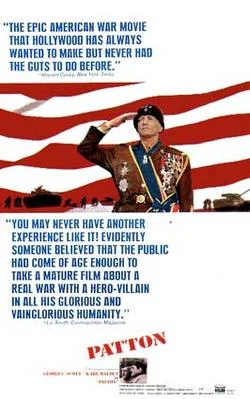
In the annals of cinema history, Patton: A Salute to a Rebel stands as a striking example of both biographical storytelling and war epics. Directed by Franklin J. Schaffner and released in 1970, the film features George C. Scott in a towering performance as General George S. Patton. This film not only explores the complexities of a controversial military leader but also marks a significant moment in Schaffner's career, one that would further establish his reputation for creating nuanced, character-driven narratives. In a decade marked by a heightened awareness of the psychological dimensions of combat and leadership, Patton emerges as a compelling exploration of ambition, ego, and the unsettling nature of destiny that defines so many lives in wartime.
Critics have consistently praised Patton for its grand scope and masterful cinematography, which together immerse the audience in the chaotic and visceral nature of war. The film tackles the duality of its central character, his commanding charisma vividly contrasted with moments of vulnerability. The psychological depth of Patton is probed with a sophistication that mirrors the film’s epic narrative structure. This exploration enhances our understanding of sacrifice in the context of patriotism, personal ambition, and the burdens of leadership, leading to a portrayal that is both monumental and relatable.
The critical consensus reflects on the film's pacing, which some argue can feel deliberately faltering at times. However, this rhythm deeply contributes to the overall emotional texture of the film, allowing moments of reflection that stand in stark contrast to the action on screen. This tension adds a layer of intrigue, engaging viewers with the internal conflicts of a man driven by both love for his country and a relentless pursuit of personal achievement. Critics praise the film for how it captures the essence of warfare as not simply a backdrop but as a character in its own right, precipitating behavior and motivations that shape the narrative.
As both an epic war film and a biography, Patton: A Salute to a Rebel serves as a valuable cultural artifact, presenting a complex characterization that transcends mere heroism. The film takes viewers beyond the conventional portrayal of a military leader, examining the nuances of honor and ego and their interplay with destiny. Through its richly layered storytelling, the film invites us to grapple with the uncomfortable truths about leadership, showcasing Patton as a figure who is as mesmerizing as he is flawed. This integral examination of his character contributes to the film's lasting impact, positioning it as not just a recounting of events but a profound exploration of what it means to be a leader in the crucible of war.
In sum, Patton: A Salute to a Rebel remains a seminal work that resonates with audiences not only for its epic scale but also for its deep psychological insight. Through the lens of George C. Scott's iconic performance and Schaffner's masterful direction, the film challenges viewers to consider the profound complexities of ambition and sacrifice. In a landscape where war film conventions are frequently challenged, Patton endures as a towering example of biographical filmmaking that balances grandiosity with intimate human experience, ultimately crafting a compelling narrative steeped in depth and emotional resonance.