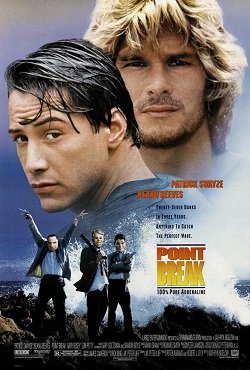
Released in 1991 and directed by Kathryn Bigelow, Point Break has evolved into a cult classic, celebrated for its unique blend of surfing culture and high-octane heist action. The film sits at an intriguing intersection of genres, embodying a thrilling narrative that combines elements of adrenaline-fuelled action and philosophical inquiry. Bigelow, known for her ability to portray strong characters within intense situations, constructs a visually striking world where the line between law enforcement and the thrill-seeking underbelly of extreme sports blurs. This juxtaposition has granted Point Break a distinct place in cinema history, one that resonates with both mainstream audiences and dedicated cinephiles.
The critical consensus surrounding Point Break acknowledges its stylish aesthetic and the audacious nature of its plot. At the core of the film is the relationship between FBI agent Johnny Utah, played by Keanu Reeves, and charismatic bank robber Bodhi, portrayed by Patrick Swayze. Their connection unfolds against the backdrop of surfing culture, where the pursuit of the perfect wave parallels the thrills of criminal escapades. This relationship anchors the narrative, inviting viewers to ponder deeper philosophical themes around freedom, identity, and the allure of risk. Critics have noted that beneath its surface of violent mayhem and testosterone-fueled exploits lies a narrative that grapples with existential questions, making it more than just a simple action film.
Visually, Point Break excels with its breathtaking cinematography that captures the beauty of waves and the excitement of both surfing and bank heists. The stylistic choices, from the iconic surf sequences to the explosive robbery scenes, depict a coherent yet chaotic world that reflects the characters' internal struggles. Many reviews highlight that Bigelow successfully captures the raw energy of surfing while applying a cinematic technique that elevates the material, transforming potentially mundane action scenes into artistic expressions of thrill and beauty. This seamless blending of technique and style has contributed significantly to the film's lasting appeal.
However, Point Break has not escaped criticism; some commentators have pointed to its overblown elements and preposterous plot twists as detractors. Yet it is precisely these exaggerated components that many viewers find engaging, transforming the film into a guilty pleasure marked by a sense of charm and overstatement. Whether deemed "trashy" or "superb," the film's eclectic mix of genres allows for an exploration of both entertainment and deeper narrative significance, solidifying its reputation as a genre-hopping classic in the process.
Ultimately, Point Break continues to resonate with audiences decades after its release. Its thematic richness juxtaposed with its thrilling action sequences invites ongoing discussions about the human spirit's pursuit of joy and excitement, as well as the consequences that come with living on the edge. In Kathryn Bigelow's adept hands, the film transcends its initial genre constraints to become an enduring work, one that remains as beautiful and captivating as the waves that shape its world.