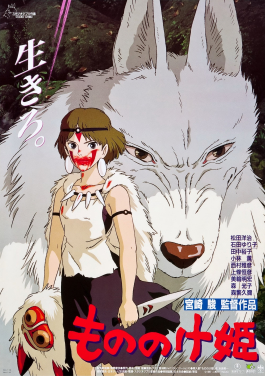
In the pantheon of animated films, few have approached the depth and complexity of Princess Mononoke, a 1997 masterpiece directed by the legendary Hayao Miyazaki. This film stands as a defining work not only within Miyazaki's illustrious career but also in the broader context of cinema history, blending breathtaking visuals with profound themes to craft an epic narrative that resonates deeply with contemporary audiences. Released during a time when environmental consciousness was gaining prominence worldwide, Princess Mononoke serves as a poignant reflection on humanity's tumultuous relationship with nature, merging mythological elements with stark realities that challenge viewers to contemplate their role within the ecological fabric.
Critics have often noted the film’s inventive storytelling and visually stunning animation, characterizing it as both haunting and magical. The film's central conflict, pitting industrial progress against nature, poses philosophical questions about coexistence and the consequences of unchecked ambition. This clash is embodied in the vibrant characters such as Ashitaka, the cursed prince seeking to mediate between the forest spirits and human encroachment, and San, the fierce protector of the forest spirits. Their journey offers an unsettling yet thought-provoking exploration of man versus nature, emphasizing the urgent necessity for environmentalism while weaving in elements of fantasy, adventure, and humanism.
Furthermore, Princess Mononoke does not shy away from the darker aspects of this conflict. Miyazaki presents flawed characters on all sides, leading to a rich tapestry of motivations and moral ambiguity. There are no clear villains; instead, the film depicts a world filled with competing interests, where cultural myths inform desires and actions. This nuanced approach elevates the narrative beyond a simple ecological fable, inviting viewers to reflect on their values and perceptions toward nature in the modern world.
The film's impact is amplified by its remarkable artistry, which includes beautifully crafted creatures and landscapes that draw inspiration from Japanese folklore. This visual inventiveness complements the thematic content, making the world of Princess Mononoke both immersive and relatable. Each frame reveals the interconnectedness of life, weaving together the destinies of humanity and nature in a fashion that is both epic and intimate. This meticulous attention to detail fosters an atmosphere that is rich and alive, allowing the audience to feel the weight of each character's choices.
As generations of viewers continue to engage with Princess Mononoke, its place in cinema remains secure, showcasing Miyazaki's ability to transcend age and cultural boundaries. The film’s exploration of environmentalism, cultural mythology, and human conflict resonates deeply, encouraging a deeper understanding of our environmental responsibilities. Ultimately, Princess Mononoke transcends entertainment to offer a philosophical discourse on life that remains relevant, making it not just a film but a cinematic experience that prompts lasting reflection.
With its unique blend of adventure and thoughtful commentary, Princess Mononoke challenges audiences to consider the legacy of their actions on the world. In a time when global environmental issues are ever-present, Miyazaki’s work stands as both a cautionary tale and a source of inspiration in the quest for harmony with nature. The film’s ability to weave complex themes with breathtaking artistry ensures its enduring legacy as a significant cultural artifact.