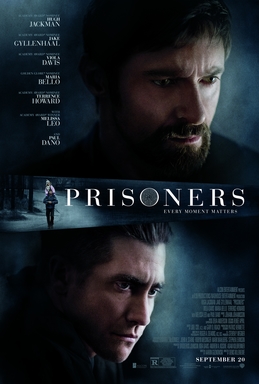
Denis Villeneuve's Prisoners marks a significant entry in contemporary cinema, particularly within the landscape of psychological thrillers that grapple with moral complexity. Released in 2013, it stands as a testament to Villeneuve's knack for examining themes of guilt, justice, and the unsettling nature of American suburbia. This film not only reflects Villeneuve's unique narrative style, characterized by a slow, relentless build-up and an aesthetically immaculate approach, but also embodies his broader cinematic pursuit of the human condition in moments of crisis.
The film's gripping narrative centers around the harrowing kidnapping of two young girls, which spirals into a chilling exploration of parental fear and the lengths to which a parent will go when faced with a moral quandary. Hugh Jackman's performance as Keller Dover, a desperate father who descends into visceral acts of vigilantism, captures the anguished turmoil of a man who feels utterly powerless. This sense of helplessness is echoed in the performances of the ensemble cast, particularly Paul Dano as the tormenting suspect, and Jake Gyllenhaal as the foray detective whose own moral compass is twisted by the unfolding events.
Critics have widely acknowledged the film's brutal and relentless pacing, with its twisty narrative riddled with red herrings that lead both characters and viewers into a murky moral landscape. It raises questions about justice, not only in its legal form but as a personal, visceral enactment of vengeance and despair. Villeneuve’s ability to maintain this moral ambiguity while building a dense, noir-like atmosphere is integral to the film’s impact, forcing audiences to grapple with their own feelings of guilt and complicity as the plot unfolds.
Visually, Prisoners is striking, with a prismatic representation of its bleak suburban setting characterized by dirty-white skies and lavishly staged cinematography, evoking a sense of foreboding in every frame. Yet, the immaculate visuals stand in stark contrast to the darkness of the narrative, a reminder of how picturesque exteriors can conceal deep-seated horrors. This juxtaposition of light and shadow reinforces the film's exploration of American culture, where the surface often belies a deeper, more unsettling reality.
Critical consensus revels in Prisoners as a devastating examination of the lengths individuals will go to protect their loved ones, and the internal and external conflicts that arise in such dire circumstances. Villeneuve's direction, paired with a haunting score, ensures that each moment lingers long after the credits roll. Ultimately, the film serves as both a gripping thriller and a profound reflection on the nature of justice, morality, and the darkness that resides within us all. In a cinematic era saturated with predictable narratives, Prisoners offers an unsettling meditation on the fragility of human ethics in the face of unimaginable horror.