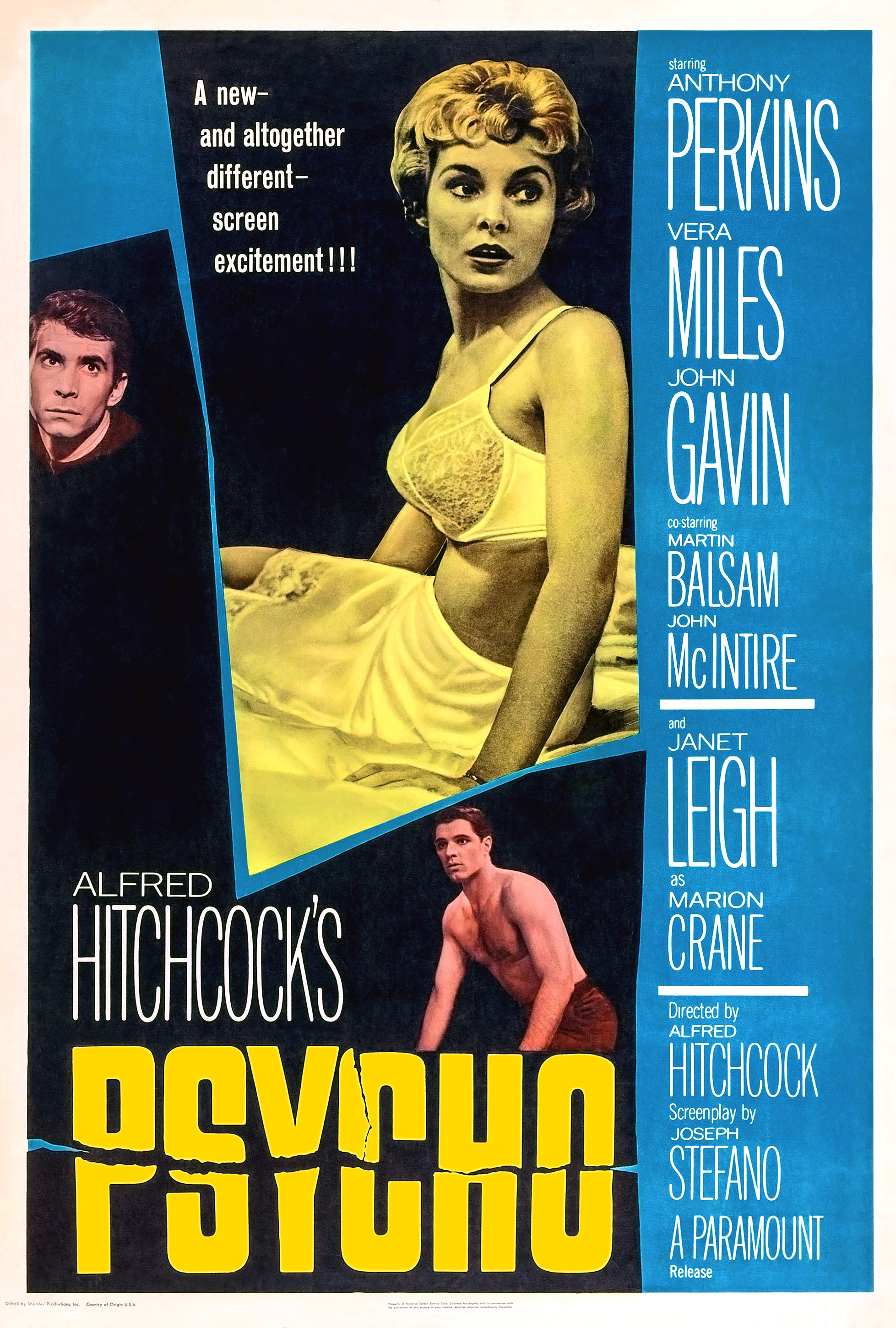
Alfred Hitchcock's Psycho, released in 1960, stands as a landmark in cinematic history, showcasing the director's masterful ability to intertwine psychological horror with thrilling suspense. At a time when the horror genre had largely settled into predictable patterns, Hitchcock innovated by creating a film that not only shocked audiences but also redefined their understanding of fear and villainy. This was particularly significant as Hitchcock was already an established filmmaker, known for his clever narratives and visual storytelling, yet with Psycho, he ventured into uncharted territory, crafting a visceral experience that would leave an indelible mark on both his career and the film industry as a whole.
The critical consensus surrounding Psycho highlights its exploration of complex themes such as guilt and innocence, paranoia and fear, and the duality of identity. The film masterfully captures the essence of isolation, symbolized by the desolate Bates Motel and the haunting presence of Norman Bates. This psychological horror is amplified by its unexpected twists and turns, evoking a raw sense of dread as viewers are forced to confront the uncomfortable truths lurking behind the facade of normalcy. In a world where appearances are deceiving, Hitchcock navigates these themes with an uncanny finesse, compelling us to question our notions of good and evil.
The terror in Psycho is not merely derived from its shocking moments, such as the infamous shower scene, but also from the layered characterizations and the psychological depth of its protagonist, Norman Bates. This character embodies the theme of duality, with his outward charm juxtaposed against his disturbed psyche. As viewers delve deeper into Bates' troubled identity, they experience an unsettling shift in their perceptions of innocence and evil. Hitchcock forces us to grapple with the notion that anyone can harbor darkness, effectively transforming Psycho into a haunting exploration of the human condition.
Moreover, as a cinematic pioneer, Hitchcock's innovative techniques in Psycho set a precedent for future filmmakers. His revolutionary use of music, editing, and narrative structure contributes to the film's sustained suspense, ensuring that audiences remain glued to their seats. The cleverly constructed narrative, which shifts perspectives and perceptions throughout, keeps viewers second-guessing about the characters' true motivations and identities. This method of deception enhances the film's psychological horror, creating a lingering atmosphere of uncertainty and fear that transcends the narrative itself.
In conclusion, Psycho is not just a film; it is an experience that delves deep into the psyche of its characters and elicits profound questions regarding morality, sanity, and the nature of evil. Hitchcock's ability to evoke visceral reactions through innovative storytelling has firmly cemented the film's status as a classic in horror cinema. In our modern era, its themes remain as relevant as ever, underscoring the psychological complexities that remain with us today, proving that horror often lies not in the tangible, but in the very fabric of human psychology.