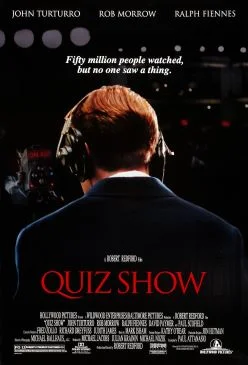
In the realm of American cinema, Robert Redford's Quiz Show stands as a poignant exploration of the moral complexities intertwined with the rise of television during the 1950s. Set against the backdrop of a nation grappling with its identity amidst post-war optimism and burgeoning consumerism, the film meticulously dissects the ethical breaches that underpinned a popular quiz show scandal. As Redford’s assured direction guides audiences through this intricate narrative, viewers are invited to reflect on the nature of truth and fabrication, not only within the television industry but also in the larger society that consumes it.
Critically, Quiz Show is lauded for its deliberate pacing and strong performances, which serve to enhance the film's compelling drama. The tension that evolves within the story, between personal integrity and moral compromise, echoes throughout the characters’ arcs, most prominently through the struggle of participant Charles Van Doren, portrayed by Ralph Fiennes. His journey from an idealistic educator to a complicit figure in a rigged contest epitomizes the allure of fame and the ethical quandaries that accompany such desires. Redford captures this moral ambiguity with a nuanced lens, allowing the audience to grapple with the intersection of individual ambition and collective responsibility.
The themes of television ethics and personal integrity resonate powerfully within this narrative, drawing attention to the seductive power of media. The film prompts viewers to question the integrity of not only the characters but also the systems that elevate them. By examining the stakes involved when ambition takes precedence over authenticity, Quiz Show exposes the darker undercurrents of a seemingly innocent entertainment industry. Redford’s exposition of this moral landscape invites audiences to partake in a wider dialogue about the implications of deception in modern media, a conversation that remains relevant decades later.
Moreover, Quiz Show serves as a critical touchstone within Redford's body of work, where he consistently interrogates issues of ethics and values. Here, he aligns with a tradition of filmmakers who challenge viewers to confront uncomfortable truths about society’s collective psyche. The film's well-acted performances and its thoughtful script further amplify its potency, creating a narrative experience that feels both personal and universal. As each character navigates their moral dilemmas, the film underscores a fundamental question: at what cost does one pursue success in a world ripe with ethical contradictions?
Ultimately, Quiz Show remains a significant cinematic commentary on the interplay between media and morality, encapsulating a pivotal moment in American culture. Its exploration of the ethical labyrinth associated with television presents a mirror through which contemporary audiences can examine their relationship with media consumption. Redford’s film not only captures a disgraceful chapter in quiz show history but also reflects on the broader implications of our choices in a world that increasingly values spectacle over truth.