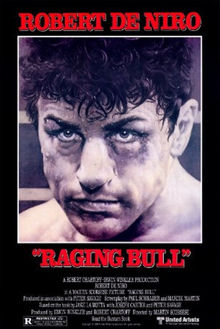
Martin Scorsese’s Raging Bull stands as a harrowing examination of masculine identity tangled in the brutal world of boxing. Released in 1980, it marked a significant shift in the director's oeuvre, moving away from the crime dramas that had characterized his earlier work, such as Mean Streets and Goodfellas. Instead, Raging Bull ventures into a profound psychological territory, delving into the life of Jake LaMotta, a boxer who embodies the tumultuous struggle between glory and despair. This film is not merely a biography of LaMotta but serves as a poignant reflection on themes of insecurity, jealousy, and the nature of self-destruction. The gritty and raw cinematography by Michael Chapman complements Scorsese’s unflinching take on the violent machinations of both the boxing ring and LaMotta’s personal life.
At the core of Raging Bull lies the exploration of masculine insecurity, vividly illustrated through LaMotta’s aggressive nature and his turbulent relationships, particularly with his wife Vickie, played by Cathy Moriarty. Scorsese crafts an intense narrative that reveals how LaMotta’s jealousy and rage lead him to alienate those closest to him. As a portrait of toxic masculinity, the film encapsulates how violent tendencies often mask deeper feelings of inadequacy and guilt. The juxtaposition of LaMotta’s prowess in the ring with his failures outside it speaks to the inherent contradictions within male identity, ultimately leading him down a path of self-destruction that stems from his inability to reconcile his inner demons with his public persona.
Critics have consistently hailed Raging Bull for its psychological depth and cinematic artistry. The film’s bold black-and-white cinematography and expressive techniques amplify the film's raw emotions, creating a visceral experience for audiences. Scorsese’s direction, coupled with Robert De Niro’s transformative performance as LaMotta, brings to life a character whose violent exterior belies profound internal struggles. De Niro’s dedication to the role, gaining weight to portray LaMotta after his boxing career, underscores the lengths to which artists will go to convey authenticity. This commitment to truth in storytelling resonated with critics and audiences alike, establishing Raging Bull as a pivotal work in cinema history.
The themes of redemption and salvation permeate Raging Bull, offering a glimmer of hope amid relentless turmoil. LaMotta’s journey is ultimately about facing the consequences of a life lived violently and the desire for atonement. As his boxing career fades and he confronts the ghosts of his past, viewers witness a man grappling with the chaos he has wrought. The film does not provide easy answers; rather, it presents a brutal reality that invites the audience to reflect on the nature of sin and the possibility of redemption. In this light, LaMotta’s story transcends the sports genre, becoming a cautionary tale about the struggles of human existence.
Ultimately, Raging Bull is a defining work not only for Scorsese but also for the genre of drama. It probes the depths of human experience with an unyielding lens, highlighting how violence and vulnerability coexist in a complex dance. This film's legacy endures as a critical examination of masculinity, inviting ongoing conversations about identity, violence, and the potential for redemption. Through its raw and gritty narrative, Raging Bull continues to resonate as a cinematic masterpiece that powerfully captures the essence of the human condition.