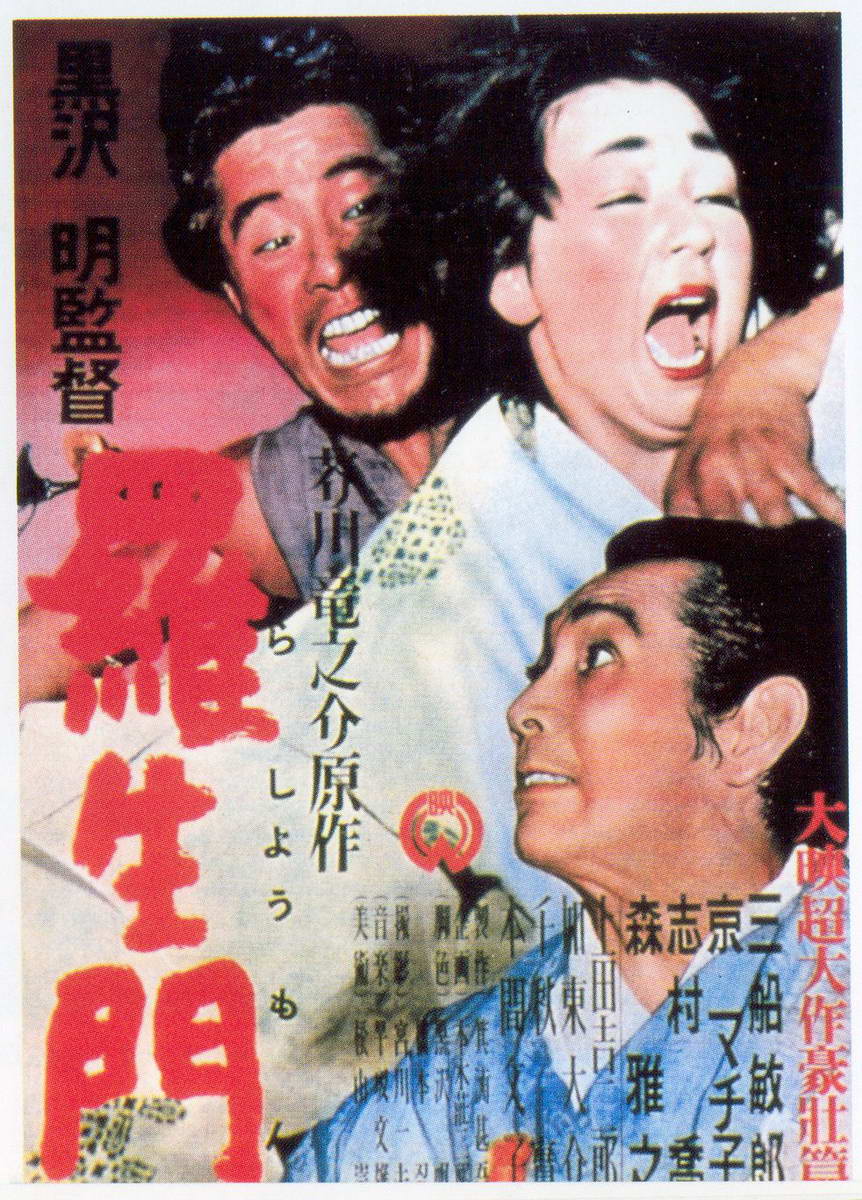
Akira Kurosawa's Rashomon, released in 1950, stands as a monumental film in cinema history that not only transformed Japanese filmmaking but also left an indelible mark on global storytelling. The film emerged during a time of great social and cultural upheaval in post-war Japan, reflecting the complexities of human nature and perception that resonate beyond its historical context. It's a pivotal work in Kurosawa’s oeuvre, showcasing his masterful ability to interweave character, conflict, and moral ambiguity within the cinematic medium, helping to establish him as a directing luminary. In addition, Rashomon introduced international audiences to the intricacies of Japanese culture, paving the way for future films from the region to gain recognition on the world stage.
Central to Rashomon is the innovative narrative structure that explores the subjectivity of truth. The film presents the same incident, a violent encounter resulting in a man's death, from four differing perspectives, each shaped by the unique biases and memories of the witnesses involved. This technique not only challenges the audience's understanding of objective reality but also raises profound questions about the nature of truth itself. Critics have praised this groundbreaking approach, recognizing it as a provocateur of intellectual discourse surrounding memory and perception. By illustrating how personal experiences distort truth, Rashomon reveals the layers within human nature, emphasizing the inherent flaws in how individuals recollect and recount events.
The critical consensus surrounding Rashomon often highlights its thought-provoking essence, as it invites viewers to engage with its themes on a deeply philosophical level. While telling a compelling story, the film serves as a mirror reflecting human behavior, our tendencies to rationalize, embellish, and reinterpret our experiences. This deliberate ambiguity confronts audiences with the uncomfortable reality that multiple truths can exist simultaneously, thus emphasizing the conflict between personal integrity and self-interest in the human psyche. Kurosawa's direction, combined with the brilliant performances from the cast, elevates this exploration beyond mere narrative experimentation, grounding it in a raw emotional reality that feels universally relatable.
Ultimately, Rashomon transcends its role as a mere film; it has emerged as a cultural touchstone, influencing numerous directors and filmmakers across the globe. Its legacy continues to be felt in the persistent exploration of subjective truth in contemporary narratives. The film's innovative techniques and philosophical inquiries resonate in modern storytelling, evident in works that challenge viewers to reconsider their assumptions about reality. In this way, Rashomon is not just a product of its time; it remains a living piece of art that engages audiences in an ongoing dialogue about the complexity of truth, memory, and human nature. Kurosawa's seminal work serves as both a historical benchmark in cinema and a timeless reflection of the human condition.