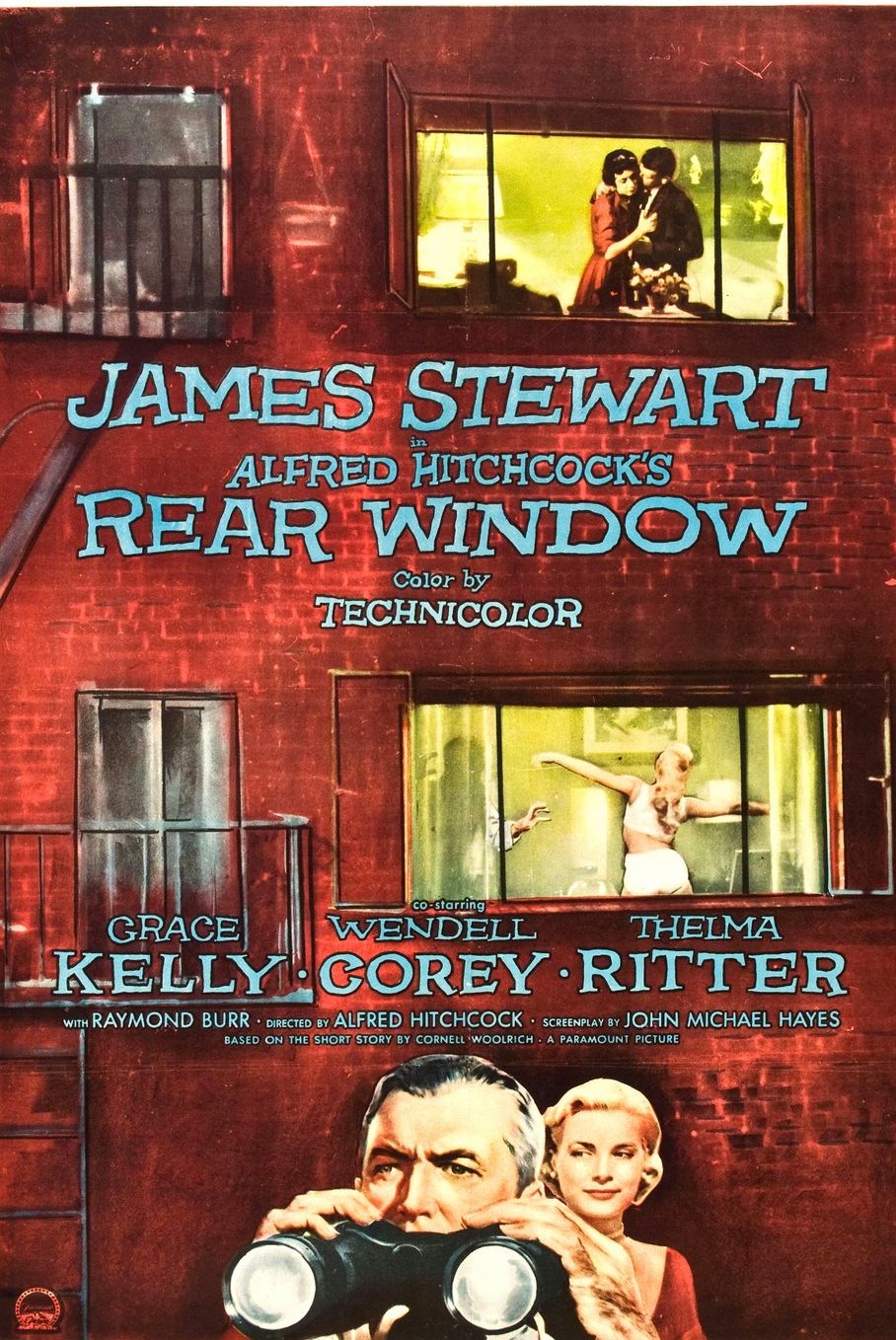
Rear Window, directed by Alfred Hitchcock in 1954, occupies a critical position in the canon of American cinema. It illustrates Hitchcock's mastery in blending suspense with psychological nuance, presenting a tightly woven narrative that reflects both the power and perils of voyeurism. As a pivotal entry in his oeuvre, the film showcases the director's preoccupation with themes of observation and isolation, cementing his status as a pioneer of the thriller genre. The film released during a time of burgeoning interest in urban narratives, captures the complexities of modern life, emphasizing how city living often breeds detachment even as it draws people closer.
The critical consensus surrounding Rear Window often revolves around its exploration of voyeurism and audience complicity. As the protagonist, L.B. Jeffries, surveils his neighbors from his apartment, viewers are drawn into the moral and ethical implications of witnessing others' lives unfold without their consent. This act of watching becomes both intoxicating and fraught with guilt, a duality that Hitchcock handles with remarkable finesse. Critics have described the film as engaging and psychologically astute, prompting reflections on human nature and the innate curiosity that drives our desire to observe others. By positioning audiences as passive witnesses, Hitchcock skillfully invites them to question their own roles in the narratives they consume.
Yet, Rear Window is not without its detractors. Some argue that the film can feel static, its action limited to the scope of Jeffries’ apartment and its urban backdrop. Critics have pointed out that the thriller's pacing may sometimes result in moments that feel undramatic for contemporary viewers, invoking a discussion on the boundaries of suspense and how they can shift over time. However, this static quality can also be seen as a deliberate choice, allowing psychological tension to simmer beneath the surface and creating a unique dynamic where viewers are forced to engage with their own complicity in the act of voyeurism.
Hitchcock's direction in Rear Window is marked by a precise use of space and atmosphere, transforming a single location into a window to an entire world of stories. The film's urban setting plays a crucial role, serving as a microcosm of society where everyday dramas unfold in parallel to the central narrative. This choice of setting is reflective of broader legal and ethical issues that have persisted in the film industry, particularly concerning copyright and the depiction of human lives without consent. The layers of societal commentary intertwined with the suspenseful plot render it a film that remains impactful and relevant, even decades after its release.
Ultimately, Rear Window stands as a provocative exploration of desire, guilt, and the moral dilemmas inherent in modern life. Its wit and insight into human nature resonate with audiences, echoing long after the credits roll. By examining the complexities of surveillance, both literal and metaphorical, Hitchcock crafts a narrative that captivates while challenging viewers to consider the implications of their own gaze. It is this deft combination of storytelling and psychological inquiry that secures Rear Window’s place in cinematic history as not merely an engaging thriller, but as a wise reflection on the human condition.