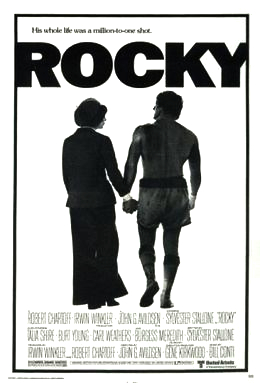
In the landscape of 1970s cinema, few films have managed to resonate as profoundly with the American spirit as Rocky, directed by John G. Avildsen. This iconic underdog story not only solidified the legacy of both its writer and star, Sylvester Stallone, but also became a cultural artifact emblematic of hope, perseverance, and the pursuit of the American Dream. Released amid a decade punctuated by social upheaval and disillusionment, Rocky emerged as a beacon of resilience, showcasing an everyday man's battle against insurmountable odds, set against the gritty yet vibrant backdrop of Philadelphia. Avildsen’s masterful directing imbues the film with an authentic sense of struggle, making Rocky Balboa an emblematic figure for anyone who has ever faced adversity.
Critics have consistently highlighted the film's fundamental themes of personal growth and romantic love. Rocky is not merely training for a fight; he is undergoing a transformation that touches on the deeper facets of human experience. As a meat-factory worker striving to attain his dreams, Rocky's journey captivates audiences with an immensely involving narrative that invites viewers to reflect on their own aspirations. Parallel to his athletic endeavors is the tender relationship he shares with Adrian, whose support serves as a reminder of the importance of love in fostering personal development. This blending of romance and the raw physicality of boxing creates a potent juxtaposition that elevates the film beyond a typical sports movie.
Rocky is replete with extraordinary and classic scenes that have become woven into the fabric of cinematic history. The iconic training montage featuring Rocky’s ascending run up the steps of the Philadelphia Museum of Art is not only visually arresting but also serves as a powerful metaphor for triumph over hardship. This heart-pounding sequence encapsulates the essence of sacrifice and determination, embodying the film's overarching theme of the underdog triumphing against all odds. Moreover, the atmospheric Philadelphia setting serves as an integral character in its own right, with its gritty streets mirroring Rocky’s internal struggles while also instilling a sense of locality that grounds his universal story in authenticity.
The film expertly balances the brutality of boxing with its emotional stakes, creating a narrative that is both savage and genuinely charming. Stallone's winning performance as Rocky Balboa, replete with vulnerability and tenacity, invites empathy from audiences, making his victories all the more triumphant. The masterful direction by Avildsen amplifies this emotional journey, allowing viewers to connect deeply with Rocky's plight, embodying the determination inherent in us all. Through its blend of jingoism and relatable struggles, Rocky has transcended its genre, becoming a touchstone for discussions about ambition, love, and the human condition, establishing itself as a timeless classic that continues to inspire generations.