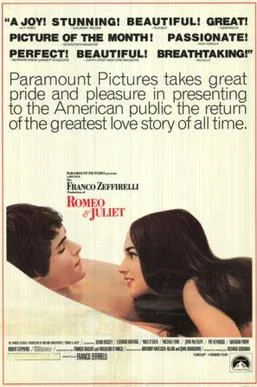
Franco Zeffirelli's 1968 adaptation of Shakespeare's Romeo and Juliet stands as a hallmark in cinematic history, not only for its vibrant interpretation of the timeless play but also for its stunning visual artistry and heartfelt portrayals of iconic characters. Zeffirelli, renowned for his ability to infuse passion and beauty into his work, captures the fervor of youthful love against a backdrop of age-old familial conflict. By navigating the intricacies of Shakespeare's text while offering a fresh cinematic perspective, Zeffirelli crafts a film that, despite its historical roots, resonates with the tumultuous emotions of adolescence.
The critical consensus surrounding Romeo and Juliet highlights its ability to embody the universal themes of young love, passion, and the tragic consequences of family feuds. The film's lavish cinematography complements its exploration of adolescent innocence, framing the euphoric highs and heart-wrenching lows of its titular characters' romance. Critics have described the film as "heartbreakingly beautiful" and "breathtaking," illustrating the ravishing visuals that mirror the intense emotions at play. Such portrayals invite the audience to engage with the protagonists' youthful purity, making their ultimate fate all the more devastating.
However, with its lavish portrayal of romance comes a deeper examination of darker themes, including family conflict and the sorrow of loss. The narrative interweaves the essence of grief with the fervor of passion, allowing viewers to reflect on how external pressures and familial expectations shape the lives of the young lovers. This juxtaposition elevates the film beyond mere adaptation, creating a more profound commentary on the complexities of love and the heartache entwined with familial obligations. Notably, the casting of Leonard Whiting and Olivia Hussey as the leads serves to enhance this exploration of youthful impulses and their tragic consequences, embodying both the excitement and naivety of first love.
The film further invites scrutiny surrounding its place in the film industry, raised by concerns over issues of exploitation and negligence during production. Such discourse is vital in recognizing the context of the film's creation, ensuring that the legacy of Romeo and Juliet acknowledges the shadows cast by its production challenges. Yet, these discussions should not overshadow the powerful emotional resonances that the film evokes, remaining a poignant exploration of human experience, untainted by age.
Ultimately, Zeffirelli's Romeo and Juliet holds a dual legacy, one of magnificent storytelling and breathtaking visual splendor, coupled with the somber realities of youthful vulnerability and grief. It serves as a bold reminder of Shakespeare's timeless relevance while also prompting reflections on the ethical considerations of filmmaking. Both captivating and thought-provoking, this adaptation transcends time, inviting viewers to ponder the reckless abandon of young love set against the tides of fate and familial strife.