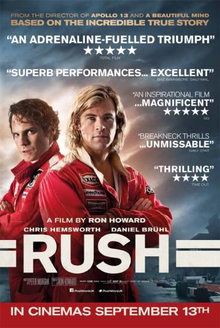
In his 2013 film Rush, Ron Howard takes viewers back to the exhilarating world of motorsport, focusing on the intense rivalry between two of Formula 1's most iconic drivers: James Hunt and Niki Lauda. It is a film that not only showcases high-speed racing but also delves deep into the intricate themes of competition, sportsmanship, and the relentless pursuit of excellence. Positioned within Howard's impressive body of work, which often explores the human spirit's tenacity, Rush stands out as a thrilling narrative that juxtaposes the vastly different personalities of its protagonists against the backdrop of 1970s racing culture.
Critics have lauded Rush for its engaging storytelling and the way it captures the intense rivalry that characterized Hunt and Lauda's relationship. Howard crafts a narrative that is both thrilling and nostalgic, allowing audiences to relive the excitement of a bygone era in racing. Reviewers have pointed out the film's compelling blend of character study and sports drama, highlighting how it not only thrills with adrenaline-pumping race sequences but also engages viewers emotionally by showcasing the determination and sacrifices made by both drivers. The film's portrayal of sportsmanship, even amidst fierce competition, resonates with audiences, emphasizing that rivalry can cultivate respect alongside animosity.
The performances of Chris Hemsworth as Hunt and Daniel Brühl as Lauda have been described as one of the film's strongest assets, bringing to life the complexities of their characters. Hemsworth embodies the charismatic and reckless Hunt, while Brühl offers an intense portrayal of the methodical and disciplined Lauda. Their contrasting characteristics serve as a testament to how rivalry can fuel both fierce competition and personal growth. Critics described the film's direction as slick, noting that while it may follow some formulaic storytelling patterns of sports dramas, its intensity and emotional depth elevate it above mere genre conventions.
While some have pointed out that certain elements of Rush may feel repetitive or predictable, the overall critical consensus remains positive, underscoring the film's ability to engage and thrill its audience. Howard's direction draws viewers into the pulse-pounding atmosphere of racing, making it not just a film for sports enthusiasts but for anyone who admires stories of human determination and resilience. The engaging narrative keeps audiences invested in the outcome of their rivalry, generating both excitement and a sense of nostalgia for the remarkable era of motorsports.
Rush ultimately serves as a powerful reminder of the essence of competition and the indomitable human spirit. Through its thrilling sequences and well-developed character arcs, it captures the essence of what it means to push boundaries in pursuit of personal excellence. By exploring the nature of rivalry and the bonds formed within high-stakes competition, Ron Howard has crafted a film that resonates beyond the racetrack, making it a noteworthy addition to the canon of sports dramas.