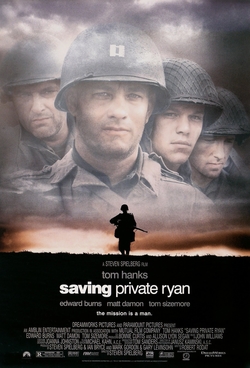
Released in 1998, Saving Private Ryan stands as a monumental achievement in the landscape of war cinema and a crowning achievement in Steven Spielberg's illustrious career. Known for his ability to blend intense storytelling with visual artistry, Spielberg took on the daunting task of depicting the harrowing realities of World War II with a visceral lens. The film is praised for its uncompromising portrayal of battle, particularly in its unforgettable D-Day opening sequence, which has become an iconic representation of the horrors of war. It is not simply a war film; it is a stark exploration of humanity caught in the chaos of conflict, illustrating the brutal cost of valor and sacrifice amidst gruesome realities.
Critically, Saving Private Ryan is lauded for its intense realism and emotional depth, which resonate powerfully with audiences. The film illustrates key themes of brotherhood, human sacrifice, and leadership under pressure, all set against a backdrop of overwhelming brutality. Critics often highlight how Spielberg masterfully balances the raw horror of warfare with intimate character moments that emphasize human resilience and camaraderie among soldiers. Each character's journey reflects broader concepts of duty and heroism, encapsulated perfectly in the mission to rescue Private James Francis Ryan, whose brothers have perished in combat. This narrative thread underlines a moral inquiry into the value of human life in wartime.
The film's use of realistic portrayals is complemented by its groundbreaking cinematography, led by Janusz Kaminski, creating a gritty aesthetic that immerses viewers in the emotional turmoil faced by soldiers. This visual approach not only serves the film's narrative but cements Saving Private Ryan as a watershed moment in cinematic history, influencing countless films in its wake. The commitment to realism is evident, making the audience simultaneously spectators and participants in the brutality of battlefield chaos. The meticulous attention to detail in recreating historical events presents a hauntingly authentic experience that continues to challenge perceptions of war.
As viewers are drawn deeper into the story, the film provokes reflections on themes of sacrifice and loss, forcing audiences to confront difficult questions about the ethics of warfare. The characters’ struggles depict the psychological impact of war, offering insights into the burdens carried by those who serve. Spielberg's narrative ultimately encourages an examination of what it truly means to fight for one another, encapsulated in the heart-wrenching decision to risk lives for the sake of one. The film does not shy away from the stark reality of sacrifice, indicating that in war, the line between heroism and futility is often blurred.
In this light, Saving Private Ryan is not just a war film, but an exploration of the human condition under extreme stress. Its legacy persists due to its powerful storytelling and the complex portrayal of relationships forged in battle. Through the lens of Spielberg's direction, the film communicates that despite the chaos of war, the unwavering bonds of brotherhood stand as a testament to the resilience of the human spirit. It remains an unforgettable cinematic experience that challenges both the glory and horror of battle, enduring as a pivotal work in the annals of film history.