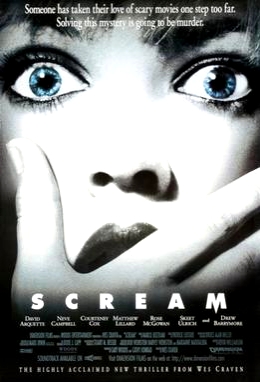
When Scream hit theaters in 1996, it not only marked a resurgence of the slasher genre but also showcased director Wes Craven's ability to innovate in cinema. Having previously revitalized horror with A Nightmare on Elm Street in 1984, Craven took a self-aware approach with Scream, highlighting the genre's clichés through a clever script that balances humor and horror. This film is significant in its exploration of teenage horror culture, delving into the lives of its young characters while poking fun at the very tropes that had populated the genre for decades. As such, Scream stands out as a post-modern horror film that reinvigorated interest in slasher movies at a time when they were considered relics of a bygone era.
Critics have widely recognized Scream for its multi-dimensional engagement with the conventions of horror cinema. It invites audiences to not only witness the terror unfolding on screen but also to participate in a meta-commentary about what constitutes horror. By creating a self-aware narrative that acknowledges the rules of the genre, such as the necessity for the virgin survivor and the inevitable final showdown, Craven challenges viewers to reflect on their viewing habits. This self-referential style elevates the film from mere entertainment to sharp social commentary, making it a clever satire on both the horror genre and teenage culture.
At its core, Scream is a film about the thrill of fear, but it also transforms that fear into a platform for irony and humor. The film’s characters, particularly the pop culture-savvy Randy (played by Jamie Kennedy), serve to educate both the characters and the audience about the unwritten rules of slasher films, generating an engaging, interactive experience. Opinions from reviewers praise this energetic dialogue with the audience, which not only adds layers to the viewing experience but also allows for a fresh take on familiar storylines, making Scream a trailblazer in the realm of self-aware horror.
The film’s balance of gore and wit is particularly noteworthy. While it features graphic violence that is both provocative and gruesome, it deftly injects humor that ranges from the sharp to the absurd. This blend of horror and comedy offers a refreshing departure from earlier horror films that often leaned exclusively on terror without the counterbalance of levity. The film retains an entertaining quality that is accessible to both genre enthusiasts and casual viewers, thus broadening its appeal and solidifying its status as a cult classic.
Ultimately, Scream is a masterclass in genre deconstruction, one that has influenced a generation of filmmakers and inspired various spin-offs and reboots. Through its keenly observed satire and innovative storytelling, Craven has crafted not only a standout slasher film but also a pivotal moment in cinematic history that speaks to the evolution of horror. Its legacy lies in its ability to engage with the audience on multiple levels while simultaneously revitalizing the genre itself, making Scream a vital player in the pantheon of modern horror.