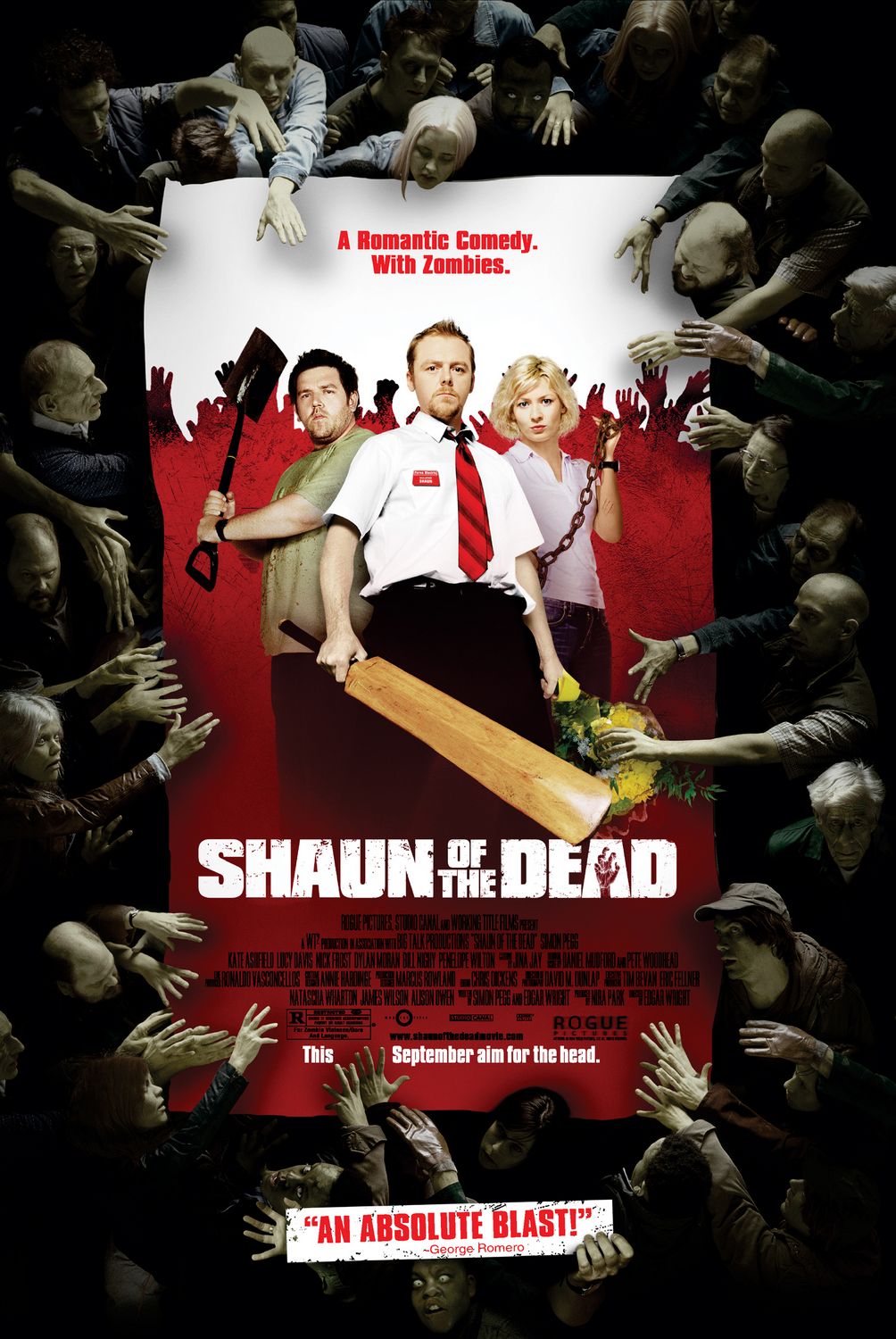
Released in 2004, Shaun of the Dead stands as a quintessential entry in both the horror-comedy genre and the body of work from director Edgar Wright. This film exemplifies the unique ability of British cinema to mesh humor with horror, presenting a fresh take on the zombie apocalypse trope popularized by the likes of George A. Romero. As Edgar Wright's directorial debut, it marks the beginning of a celebrated collaboration with co-writer Simon Pegg, who also stars as the self-centered protagonist, Shaun. This film is not merely a parody of the zombie genre but a heartfelt homage that intertwines the elements of friendship, love, and the banalities of pub culture with the chaos of a flesh-eating zombie outbreak.
Critics have reached a consensus that Shaun of the Dead is a creative triumph, showcasing a witty narrative laced with smart gags and sharp pacing. The film’s blend of grave humor and romantic comedy makes it an engaging experience, managing to balance the gruesome with the sweet. The cast's performances are solid, notably Pegg and Nick Frost as Ed, capturing the essence of clueless layabouts who are forced to confront their stagnant lives in the face of an impending zombie invasion. Their journey resonates with viewers as it transforms from a mundane quest for a pint at the local pub into a desperate fight for survival, thus reflecting the absurdity of their originally lackadaisical existence.
At its core, Shaun of the Dead explores themes of friendship and love, set against a backdrop of apocalyptic chaos. As the characters navigate the nightmarish flesh-eaters, they also contend with their personal relationships, making the film a complex commentary on how dire situations can either forge bonds or highlight underlying tensions. The film humorously critiques self-centered and lazy protagonists, drawing attention to how easily they slip into denial when confronted with reality. This aspect is powerfully illustrated as Shaun must finally take responsibility, pushing viewers to reflect on their own lives and the relationships they often neglect.
Wright's directorial style is evident in the film's playful pacing and melodious structure, where each scene is thoughtfully constructed to deliver maximum impact, whether through comedic timing or thrilling moments of horror. The real gags and tongue-in-cheek humor elevate the film beyond a standard zombie spoof, as it cleverly nods to genre conventions while subverting expectations. The earnestness with which the film approaches its subject matter, wrapped in layers of subtle British humor, adds an additional depth that enhances the overall experience.
Ultimately, Shaun of the Dead is more than just a zombie film; it is a love letter to friendship, resilience, and the awkwardness of life, all filtered through a uniquely British lens. Wright’s skillful crafting of clever dialogue and engaging characters has earned the film a cherished place within the hearts of fans and critics alike, setting a benchmark for future horror comedies. As a defining piece in Wright's oeuvre, it also paves the way for his subsequent films, establishing a template for combining intricate humor with pointed social commentary.