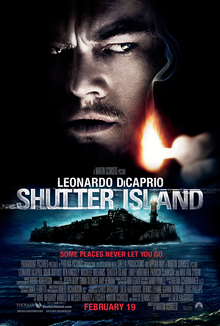
In the realm of psychological thrillers, Shutter Island stands out as a masterclass in atmospheric storytelling, a deep dive into the tumultuous waters of the human psyche. Directed by Martin Scorsese, a cinematic titan known for his expertise in crafting intense character studies, the film is both a homage to noir cinema and an exploration of haunting themes that resonate with audiences. Set in 1954, the narrative unfolds on a remote island housing a mental asylum for the criminally insane, a perfect backdrop for the gothic elements that pervade the film's aesthetic. Scorsese's sharp direction, combined with a haunting score and meticulous cinematography, creates an unsettling environment that mirrors the protagonist's escalating identity crisis and post-traumatic stress.
The critical consensus surrounding Shutter Island often highlights the film's ability to weave a complex tale filled with narrative twists that challenge viewers to grapple with questions of sanity and reality. The central character, Teddy Daniels, played with intensity by Leonardo DiCaprio, embodies the plight of a man battling his inner demons and the historical trauma of his wartime experiences. As the plot thickens, we see Teddy's investigation into the disappearance of a patient take on ominous overtones, revealing layers of deception and psychological manipulation that reflect deeper societal scars, including issues of trauma and identity that resonate beyond the film’s gothic facade.
Scorsese, with his extensive body of work, frequently explores themes of alienation and moral ambiguity, making Shutter Island a compelling addition to his repertoire. The film shines a spotlight on the fragility of the human mind, presenting characters that are not merely haunted by their pasts but are also prisoners of their own making. The rich noir elements, from its shadowy visuals to morally ambiguous characters, recall classic films while simultaneously portraying a contemporary narrative. This fusion of styles serves not only to honor cinematic history but also to engage a modern audience grappling with the aftermath of psychological trauma and the search for identity.
Critics have described the film as intelligent and exasperating in turn, leaving audiences questioning the fine line between reality and delusion. The tension crafted through careful pacing and intricate plot details ensures that the viewer remains invested in the outcome of Teddy's quest. The film's unsettling ending has sparked discourse and debate, revealing its capacity to linger well beyond the final credits. Thus, Shutter Island does not simply entertain; it challenges audiences to confront their own fears and insecurities, presenting a dark meditation on the nature of sanity, guilt, and the haunting echoes of history.