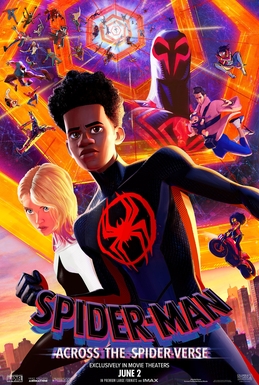
Spider-Man: Across the Spider-Verse, directed by Joaquim Dos Santos, Kemp Powers, and Justin K. Thompson, stands as a landmark achievement in animated cinema, following its predecessor, Spider-Man: Into the Spider-Verse, which set a new standard for stylistic and narrative boldness in comic book adaptations. This sequel not only builds upon the groundbreaking visual innovations that captivated audiences but also delves deeper into the complexities of heroism, identity, and empowerment. In doing so, it challenges traditional superhero narratives while expanding the boundaries of what animation can achieve, solidifying its place in the cinematic tapestry of the 21st century.
Critics have universally praised Spider-Man: Across the Spider-Verse for its stunning animation and emotionally charged storytelling. The film's kaleidoscopic visuals and eye-sizzling colors create an immersive experience that feels both fresh and nostalgic, keeping viewers engaged with its hyperkinetic movement and artistic experimentation. The characters, particularly Miles Morales, are rendered with nuance, showcasing their struggles with teenage identity against the backdrop of a sprawling multiverse. This exploration of multifaceted identities resonates with audiences, reflecting the contemporary teenage experience and emphasizing the theme of forging one's path despite the pressures of fate and destiny.
At its core, Spider-Man: Across the Spider-Verse grapples with power dynamics in heroism, addressing how true heroism often lies beyond the scripts written by external expectations. The film deftly navigates the relationship between parental figures and young heroes, illustrating how these relationships shape their journeys in profound ways. The narrative ambition on display is commendable, as it tackles complex themes such as agency, self-discovery, and the continual struggle against predestined paths, marking a significant evolution in storytelling for the superhero genre.
Moreover, the film's ambitious narrative structure allows for a fluid exploration of various Spider-People and their unique struggles, showcasing the vast possibilities within the multiverse. This multidimensional approach not only elevates the storytelling but also invites audiences to engage with the characters on a deeper level. With each character offering distinct perspectives, the film challenges the mythology surrounding superhero origins and journeys, affirming that every hero's path is unique and rife with personal challenges. As a result, Spider-Man: Across the Spider-Verse serves as an empowering reminder that while the journey may be fraught with obstacles, the act of embracing one's identity can propel one to extraordinary heights.
In summary, Spider-Man: Across the Spider-Verse is more than just an animated sequel; it is a visually astonishing exploration of self against the backdrop of a rich comic book universe. The film's revolutionary blend of storytelling techniques and artistic innovation ensures it resonates with both audiences and critics alike, marking it as a critical high point in contemporary cinema. As young viewers and fans alike bask in its stunning visuals and powerful themes, Spider-Man: Across the Spider-Verse reaffirms the idea that anyone can wear the mask. The impact of this film will likely ripple through the generations, reshaping how future narratives in animation and superhero tales are constructed.