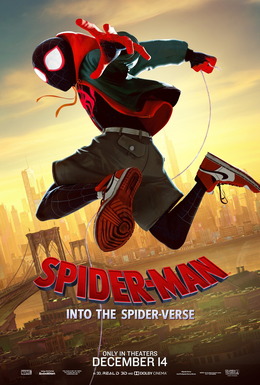
Released in 2018, Spider-Man: Into the Spider-Verse marks a watershed moment in animation and superhero storytelling, directed by Bob Persichetti, Peter Ramsey, and Rodney Rothman. This film stands as a bold continuation of the superhero genre, intricately weaving a narrative that celebrates both the long-standing legacy of Spider-Man and the newfound potential of animation as a medium for complex storytelling. Situated within a cinematic landscape increasingly crowded with superhero adaptations, Into the Spider-Verse stands out for its inventive approach, effectively merging cutting-edge animation technology with a heartfelt exploration of the hero's journey.
At its core, Into the Spider-Verse is a celebration of the multiverse, effectively expanding on the possibilities of Spider-Man’s world by introducing various iterations of the character from different dimensions. This kaleidoscopic portrayal not only embodies the comic book homage that the film champions but also emphasizes the notion that heroism can take many forms. With its vibrant, expressionistic animation style that mimics the appearance of comic book panels, the film provides a visual feast that is both giddy and thrilling. The filmmakers ensure that each universe retains a unique visual identity, contributing to a distinctly dynamic viewing experience that also pays homage to its roots.
Critics have widely acknowledged the film as a necessary addition to both animation and superhero cinema, pushing boundaries in ways that resonate with diverse audiences. The film's central narrative, young Miles Morales coming into his own as Spider-Man, serves as an updated hero's journey, relaying messages of identity, responsibility, and courage. Miles' struggles and growth are depicted with wit and warmth, allowing audiences to connect with his story in profound ways. This thematic richness, underpinned by exceptional voice performances from a diverse cast, makes Miles’ coming-of-age narrative not only relatable but resonant, profoundly enhancing the film’s impact.
Beyond the narrative arcs, the voice acting achieves a commendable balance of humor and heartfelt emotion, grounding the film's exciting pace with moments of genuine connection. Each character, from the seasoned Peter B. Parker to the spirited Spider-Gwen, embodies a unique perspective, creating a tapestry of relationships that add depth to the overall story. The humor is ingeniously crafted, often serving to provide levity to the more somber aspects of Miles' journey, blending perfectly into the film's emotional landscape.
The critical consensus surrounding Spider-Man: Into the Spider-Verse showcases its standing as a standout in both the animation genre and the superhero canon. As audiences continue to crave new interpretations of beloved characters, this film becomes a definitive text, proving that animation can convey depth and complexity through innovative storytelling and compelling visual artistry. In summary, Into the Spider-Verse not only redefines the superhero narrative but also establishes itself as an essential piece of cinema, encouraging viewers to embrace the idea that anyone can wear the mask.