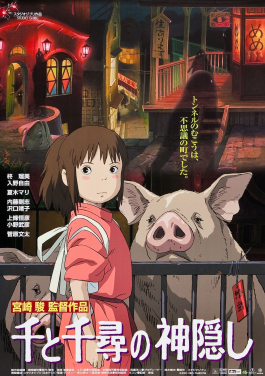
With its release in 2001, Spirited Away emerged as a monumental entry in the canon of animated films, further solidifying Hayao Miyazaki’s reputation as a master storyteller and visual artist. This film, crafted by Studio Ghibli, stands as a testament to the rich tradition of Japanese animation while also captivating a global audience with its unique blend of imaginative storytelling and striking visual artistry. Miyazaki's previous works laid the groundwork for Spirited Away, but this film elevated his craft to new heights, intertwining profound themes of identity, family, and the bittersweet transition from childhood to adulthood within a beautifully rendered fantasy world.
At its core, Spirited Away is a coming-of-age tale that follows the journey of Chihiro, a young girl who becomes trapped in a spirit realm after her parents are transformed into pigs. As she navigates this dreamlike and often surreal landscape, Chihiro encounters a myriad of eccentric characters drawn from Asian folklore, illustrating the intricate tapestry of myths that influences her world. Reviews consistently highlight how Miyazaki balances the whimsical and the haunting, creating a richly detailed environment that evokes both wonder and awe, making the film not just a visual feast, but also a meditative exploration of self-discovery.
Critics have lauded Spirited Away for its extraordinary ability to resonate with audiences regardless of age, capturing the essence of identity and transformation. Chihiro’s evolution from a timid child to a courageous individual who finds her voice encapsulates the universal theme of growing up. This journey is filled with fantastical elements that reflect both her fears and triumphs, masterfully depicted in a narrative that is as imaginative as it is relatable. The film's enchanting quality lies not only in its storytelling but also in its ability to engage viewers emotionally, allowing them to reflect on their own transitions in life.
Moreover, Spirited Away serves as a commentary on the complexities of modern life, particularly the loss of connection to nature and family in an increasingly commercialized world. Miyazaki imbues the film with poignant undertones of environmentalism and consumerism, capturing the essence of conflict between tradition and progress. The richly layered narrative invites audience members to ponder the significance of their relationships and the impact of their choices, reinforcing the film's relevance across generations.
As Spirited Away continues to be celebrated in cinema history, its legacy as a masterpiece is undeniable. The film achieved commercial success and critical acclaim, including an Academy Award win for Best Animated Feature, marking a historic moment for Japanese animation in the global spotlight. It is a dazzling reflection of Miyazaki's artistry, combining stunning visuals with narrative depth that challenges and delights viewers, leaving an enduring mark on the landscape of animated cinema.