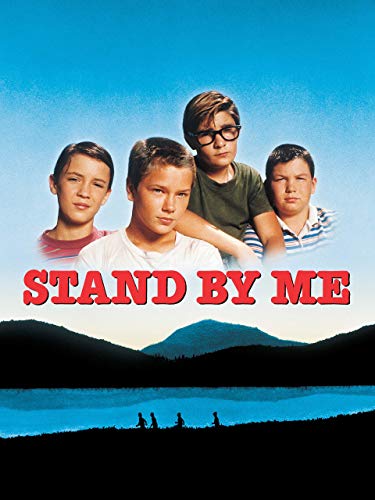
Stand by Me, directed by Rob Reiner and released in 1986, solidified itself as a landmark in the coming-of-age genre, artfully weaving together themes of friendship, adventure, and the bittersweet nature of nostalgia. Adapted from Stephen King’s novella The Body, the film stands out not only for its engaging narrative centered on a group of boys embarking on a journey to find the body of a missing child, but also for its exploration of youth’s fragility and the profound experiences that shape one's transition into adulthood. This film marked Reiner’s evolution as a director, demonstrating his ability to achieve a balance between humor and pathos, a trait that would resonate throughout his oeuvre.
Critics have consistently praised Stand by Me for its compassionate portrayal of childhood friendships, emphasizing the genuine camaraderie and struggles faced by the film’s protagonists. The performances of the young cast are described as perfectly executed, bringing a warmth and authenticity to their characters that enhances the film's emotional impact. As they navigate the treacherous terrain, not just physically on their quest, but also emotionally through the trials of growing up, the boys face the harsh realities of life, including themes such as loss of innocence and betrayal, revealing a thoughtful depth that moves it beyond mere nostalgia.
At its core, Stand by Me encapsulates the essence of adolescence, blending humor and tragedy in a way that feels both timeless and universal. The film's ability to evoke nostalgia allows audiences to reflect on their own childhood experiences, making it a classic that resonates across generations. Critics have noted its superb pacing and lyrical storytelling, which effectively transport viewers into a simpler yet complex world where the joys and pains of friendship coexist. This emotional resonance is underscored by its deft writing and direction, showcasing Reiner's talent in portraying the fragility of youth amid life's unforgiving reality.
Moreover, the film is not without its darker undertones, exploring themes of loss, tragedy, and familial dysfunction, ensuring that the coming-of-age narrative does not shy away from the harsher truths of growing up. The blend of adventure, humor, and sorrow is captured beautifully, making Stand by Me an illuminating experience that is both enlightening and relatable. This multifaceted approach has led to its recognition as a masterclass in storytelling, contributing to its status as a timeless classic that continues to engage new audiences with its universal themes of love, friendship, and coming-of-age struggles.
In conclusion, with Stand by Me, Rob Reiner created a film that transcends its immediate narrative to offer a profound commentary on the nature of friendship and the bittersweet passage into adulthood. It serves as a poignant reminder of the adventures and trials that accompany youth, and the inevitable loss that accompanies maturity. As we journey alongside the characters, we are invited not only to reminisce about our own childhoods but also to reflect on the enduring bonds that shape who we become.