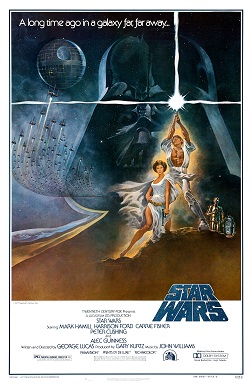
In the pantheon of cinematic history, Star Wars: Episode IV - A New Hope stands as a pivotal benchmark that reshaped the landscape of modern filmmaking. Directed by George Lucas, this 1977 landmark not only heralded the dawn of the space opera genre but also cemented the resilience of mythic storytelling in contemporary cinema. Lucas, drawing inspiration from various influences such as Joseph Campbell's hero's journey and classic Western motifs, crafted a narrative that resonates with universal themes of good versus evil and individual courage amid grand adventures. Upon its release, A New Hope would go on to influence not just a generation of filmmakers, but also how stories were told on the big screen, ushering in an era defined by innovative special effects and expansive world-building.
Encapsulating the essence of a classic hero's journey, A New Hope follows the transformation of the iconic Luke Skywalker from a humble farm boy to a vital leader in the Rebellion. The film unfurls an exhilarating narrative imbued with adventure, where the fate of the galaxy hangs precariously in the balance against the oppressive Galactic Empire. This conflict manifests not only on battlefronts but within the characters themselves, each grappling with their moral compasses in a beautifully woven tapestry of interstellar mythology. It is this timeless struggle that captivates audiences, ensuring that the film remains more than an entertainment spectacle; it is a parable of human resilience and valor.
Critically, A New Hope has been lauded for its innovative approach to visual storytelling and its exuberant blend of genres. The film’s technical achievements, from revolutionary special effects to John Williams’ iconic score, elevate it beyond conventional science fiction, embedding it in the collective conscience of viewers. The film is not merely a story about space battles; it is a rich exploration of adventure, faith, and the fight against tyranny. Even decades after its debut, the film’s gripping narrative and engaging characters continue to draw audiences, reflecting a crafted familiarity that feels both nostalgic yet endlessly fresh.
At its core, A New Hope encapsulates the enduring nature of epic storytelling. The interplay of its familiar tropes, like the wise mentor, the fierce princess, and the roguish hero, paired with its innovative execution creates a dynamic tension that is repeatedly compelling. This balance speaks to the film’s thematic richness, where every character embodies larger-than-life principles that resonate across cultures and eras. Moreover, Lucas's audacious vision has not only birthed a franchise that includes sequels, prequels, and spin-offs but has also prompted a reevaluation of how myth and technology can coexist in the cinematic medium.
Ultimately, Star Wars: Episode IV - A New Hope transcends its status as a mere film, becoming a cultural touchstone that continues to inspire endless discussions about the nature of heroism and adventure. Its legacy can be felt in everything from blockbuster cinema to independent storytelling, as it solidified the belief that the human spirit, much like the galaxy itself, is boundlessly expansive and exhilaratingly adventurous. As audiences celebrate both the film and its profound impact, it remains a testament to the power of storytelling and the magic of cinema.