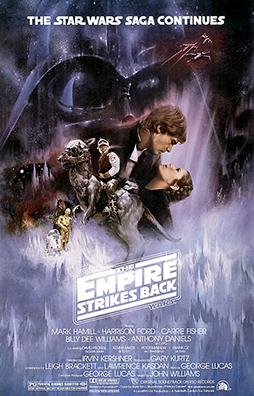
When Star Wars: Episode V - The Empire Strikes Back made its debut in 1980, it significantly shifted the landscape of blockbuster filmmaking, both in its narrative ambition and visual sophistication. Directed by Irvin Kershner, this sequel to the original Star Wars film took on a darker and more complex tone, reflecting not only the characters’ personal struggles but also the stakes of the larger conflict between good and evil. Kershner's daring vision pushed the boundaries of what a sequel could achieve, introducing a level of emotional depth that resonated with audiences and set the bar for future entries in the franchise. Its narrative sophistication marked a new chapter in the cinematic saga, laying the groundwork for what would become a mythology of mythic proportions.
Critical consensus has hailed The Empire Strikes Back not only for its plot development but for its emotionally charged confrontations, particularly the iconic showdown between Luke Skywalker and Darth Vader. The film delves into themes of loss, betrayal, and the complexity of relationships, exploring how personal choices impact the larger fight against tyranny. This personal journey for the characters, especially Luke, transforms the film into an exploration of growth and identity, elevating it beyond mere spectacle. Critics have praised its ability to balance thrilling action sequences with poignant moments, making it a landmark in cinematic storytelling.
Visually, The Empire Strikes Back remains an awe-inspiring production, characterized by its expansive settings and inventive effects that pushed the limits of 1980s technology. Kershner and the team created breathtaking landscapes, from the icy plains of Hoth to the lush, mysterious swamps of Dagobah, that enriched the Star Wars universe. This visual extravaganza complements the film’s mythological narrative progression, convincingly transporting audiences to a galaxy rich with lore and conflict. Even with its expansive nature, the film managed to maintain a tight focus on character arcs, ensuring that the grandiosity did not overshadow the personal stakes of the story.
The impact of The Empire Strikes Back on the Star Wars franchise is undeniable. It refined existing narratives and expanded the mythology, bringing in complex elements such as the notion of redemption and the intricacies of familial ties. The film was not only a commercial success, garnering strong box office performance, but it also cemented itself as a cultural touchstone, inspiring generations of filmmakers and audiences alike. Its ability to blend a sophisticated narrative structure with engaging action and emotional resonance has left an indelible mark on cinema history.
In conclusion, Star Wars: Episode V - The Empire Strikes Back is a triumph of visionary filmmaking that fearlessly explored personal and mythic themes within an expansive universe. Far from a straightforward continuation of its predecessor, it offered a thought-provoking experience that challenged conventional storytelling in the realm of science fiction. As fans and critics continue to revisit this remarkable installment, its sophisticated narrative and emotional intensity ensure that it remains a pillar of not only the Star Wars saga but also of the broader cinematic landscape.