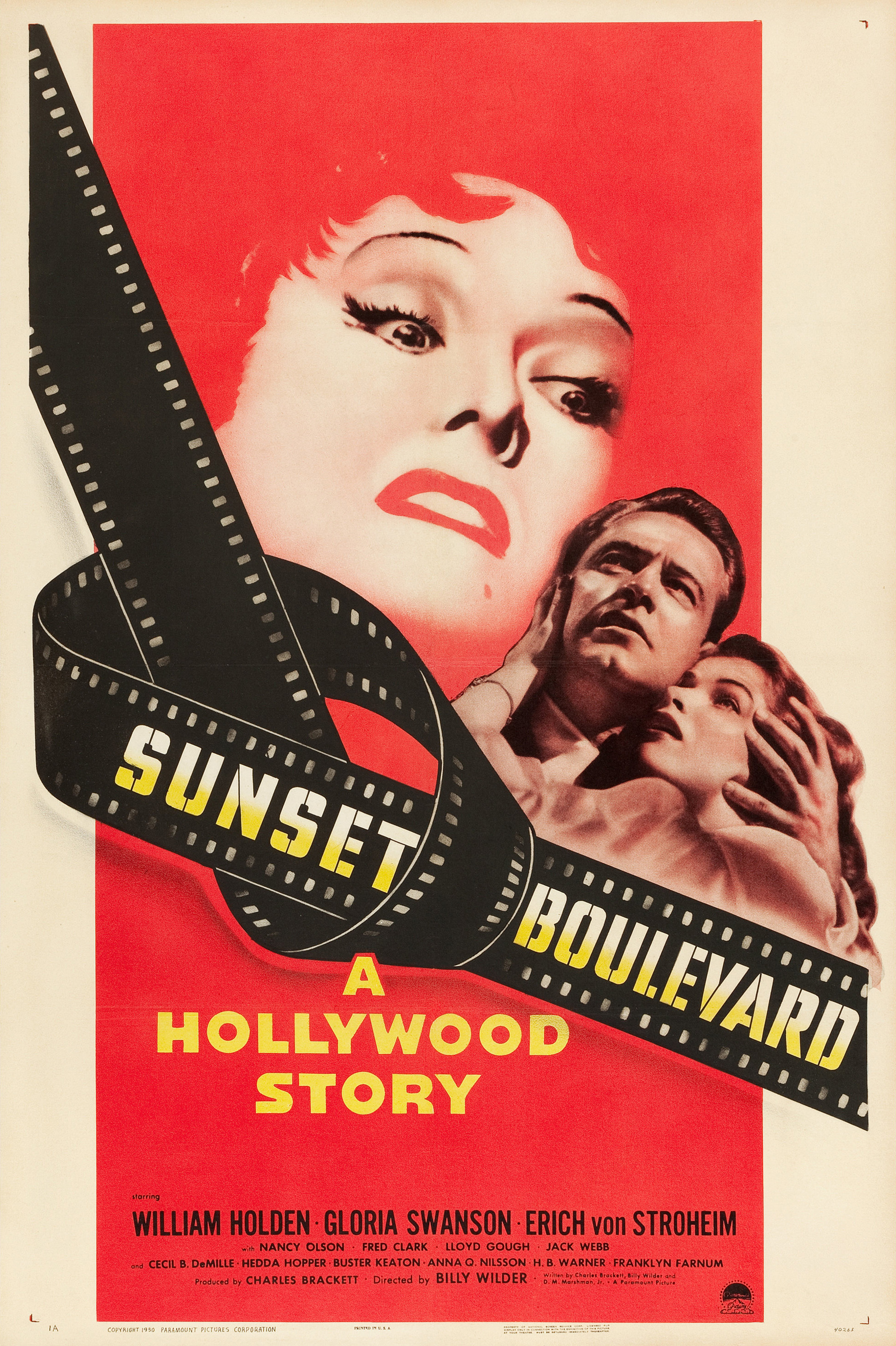
Sunset Boulevard, directed by Billy Wilder in 1950, stands as one of the most audacious examinations of the darker side of Hollywood, skillfully balancing its critique of fame with a touch of nostalgia for a bygone era. The film delves into the dramatic decline of silent cinema, showcasing the tragic fate of its faded stars and how their obsessions lead to an inevitable decay not just of their careers, but of their very identities. Wilder, a master of blending genres, firmly cements his legacy with this work that is both a scathing satire of Hollywood and a poignant homage to its silent-era past.
Critics often highlight the film's Gothic atmosphere, which serves to envelop its characters in a cold-blooded embrace of their own delusions and desires. The obsessive nature of its protagonists, faded star Norma Desmond, played by Gloria Swanson, and struggling screenwriter Joe Gillis, portrayed by William Holden, provides a deeply emotional resonance that underpins the narrative. In this world of grotesquery and despair, Wilder crafts a uniquely smart staging that reveals Hollywood's scabrous obsession with fame, ultimately asking the audience to ponder the cost of celebrity in a society that glorifies it.
The film's self-referential quality not only reflects Wilder's incisive wit but also encapsulates the cultural impact of the era it critiques. As silent cinema teetered towards oblivion, Sunset Boulevard captured the essence of a cultural shift where the glitz of Hollywood gave way to a more brutal, cynical reality. The sharp dialogue and clever visuals reinforce the film's underlying message: the treachery inherent in the pursuit of fame can lead to profound bitterness and loss.
In addition, the extravagant set design is emblematic of the film's themes, it serves as an almost tragic symbol of both opulence and decay. Desmond's mansion, filled with relics of her past glory, stands as a monument to lost dreams, highlighting the grotesque nature of her denial. This visual representation amplifies the film's critique of the industry as a whole, illustrating not only the decline of its stars but the very machinery of Hollywood itself.
Sunset Boulevard continues to resonate with audiences decades later, exemplifying the struggles faced not just by its characters, but also reflecting broader cultural anxieties surrounding fame, identity, and mortality in the cinematic universe. Its enduring status as a masterpiece is fortified by Wilder's extraordinary direction and sharp storytelling, ensuring that it remains a vital part of film history. This is a film that not only entertains but profoundly challenges viewers, prompting a deeper examination of obsession and the often dark side of the pursuit of fame.