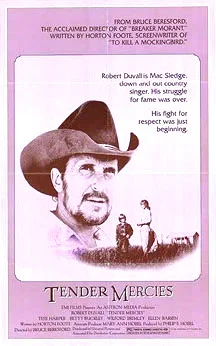
In the pantheon of American cinema, Tender Mercies occupies a notable space, serving as a testament to both Bruce Beresford's directorial prowess and the enduring power of storytelling through understated narratives. Released in 1983, the film captures a raw, poignant exploration of redemption and personal struggle that resonates deeply within the cultural fabric of its time. Set against the backdrop of rural Texas, the film transcends conventional tropes to deliver an intimate portrayal of its characters, with each scene steeped in authenticity and emotional weight. This minimalist approach allows Beresford to focus on the complexities of human relationships, particularly through the lens of fatherhood and the quiet isolation echoed in the lives of those he portrays.
The critical consensus surrounding Tender Mercies highlights its profound ability to convey themes of forgiveness and the quest for redemption. At the heart of the narrative is Mac Sledge, played by Robert Duvall, a spiritually lost country music singer attempting to rebuild his life after a tumultuous past. Duvall’s performance, anchored by humility and depth, sparks a powerful connection with audiences, reflecting the struggles inherent in seeking forgiveness both from oneself and others. In many ways, the film serves as a quiet anthem for those grappling with loss and seeking solace through love, echoing the life-affirming qualities often celebrated in country music.
Through its exploration of fatherhood, Tender Mercies offers a nuanced understanding of the responsibilities and challenges that define parental relationships. The interactions between Mac and his newfound family underscore the transformative power of love and the prospects of personal healing that arise from nurturing connections. As he navigates his role not only as a father but also as a partner, the film illuminates the emotional terrain of second chances, suggesting that redemption is attainable through acts of love and commitment, even in circumstances marked by hardship and disconnection.
Furthermore, the film distinguishes itself through its authentic and minimalist aesthetic, steering clear of grandiose storytelling and instead opting for a more intimate approach that invites viewers to become part of the characters' journeys. Each frame feels purposeful, reflecting the simplicity yet profoundness of the themes addressed. Beresford’s direction, combined with Duvall's nuanced performance, creates a poignant atmosphere that resonates with audiences, amplifying the emotional stakes involved in the characters' struggles.
Ultimately, Tender Mercies stands as a powerful narrative that speaks to the heart of human experience, interweaving themes of isolation, redemption, and the redemptive qualities found in personal relationships. Its legacy in cinema history is not merely defined by accolades but by the authentic connections it fosters between its characters and viewers alike. As Beresford captures the intricacies of the human condition, he leaves audiences with an enduring reminder that even in isolation, the possibility for grace and renewal is always within reach.