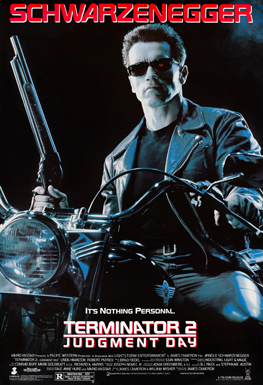
In the realm of science fiction cinema, few films have left as indelible a mark as Terminator 2: Judgment Day, directed by James Cameron. Released in 1991, this sequel to the original The Terminator not only expanded the narrative universe established in its predecessor but also set a new benchmark for high-budget filmmaking. With ground-breaking visual effects and a sophisticated narrative, Cameron transcended mere action fare, delivering a profound exploration of humanity's relationship with technology. It was a film that resonated with audiences not just for its action-packed sequences but for its emotional depth, particularly within the context of a father-son relationship that adds a personal stake to the larger apocalyptic themes at play.
Critics have widely lauded Terminator 2 for its ability to balance high-octane action with emotionally resonant storytelling. While the film boasts state-of-the-art special effects that were innovative for the time, it also weaves in themes of sacrifice, protection, and the moral implications of creation. The character of the T-800, portrayed with a gentle touch by Arnold Schwarzenegger, evolves from an unstoppable machine to a father figure for young John Connor. This shift is ironic, particularly in light of the film's central conflict between humanity and machines, crafting a narrative where the creations of humanity wrestle with their own agency in a technologically advanced world.
Cameron’s vision brought a level of sophistication not often seen in sequels, particularly those produced during the early 1990s. Much was expected from the follow-up, given the popularity of the original, yet Terminator 2 exceeded expectations by not only retaining the raw energy of its predecessor but by enriching the story with deeper philosophical inquiries. The film also served as a cultural touchstone, tapping into societal fears about technological advancement and the possible consequences of humanity's aim to conquer nature through machines. This prophetic quality, combined with its thrilling action sequences, made it a touchstone of apocalyptic cinema.
The legacy of Terminator 2 is further enshrined by its technical achievements and the impact it had on the film industry, particularly in the realms of CGI and practical effects. It proved that expensive, high-profile productions could successfully marry innovative technology with compelling narratives. Additionally, the film's successful use of new 3D technology in its later re-releases has cemented its place in the annals of film history, showcasing a dedication to film preservation while also appealing to a new generation of viewers driven by nostalgia.
Ultimately, Terminator 2: Judgment Day remains a touchstone for discussions around sequels and the balance between commercial success and artistic integrity. Its clever combination of action, humor, and poignant moments ensures its continued relevance, while the performances, particularly from Schwarzenegger and Linda Hamilton, contribute to its status as an iconic piece of cinema. In a landscape that often seems driven by a relentless march toward technological progress, Cameron's film stands as a reminder of the necessity to preserve our humanity amid the creations we conjure, exploring what it means to be not just creators but guardians of a future that could easily slip into chaos.