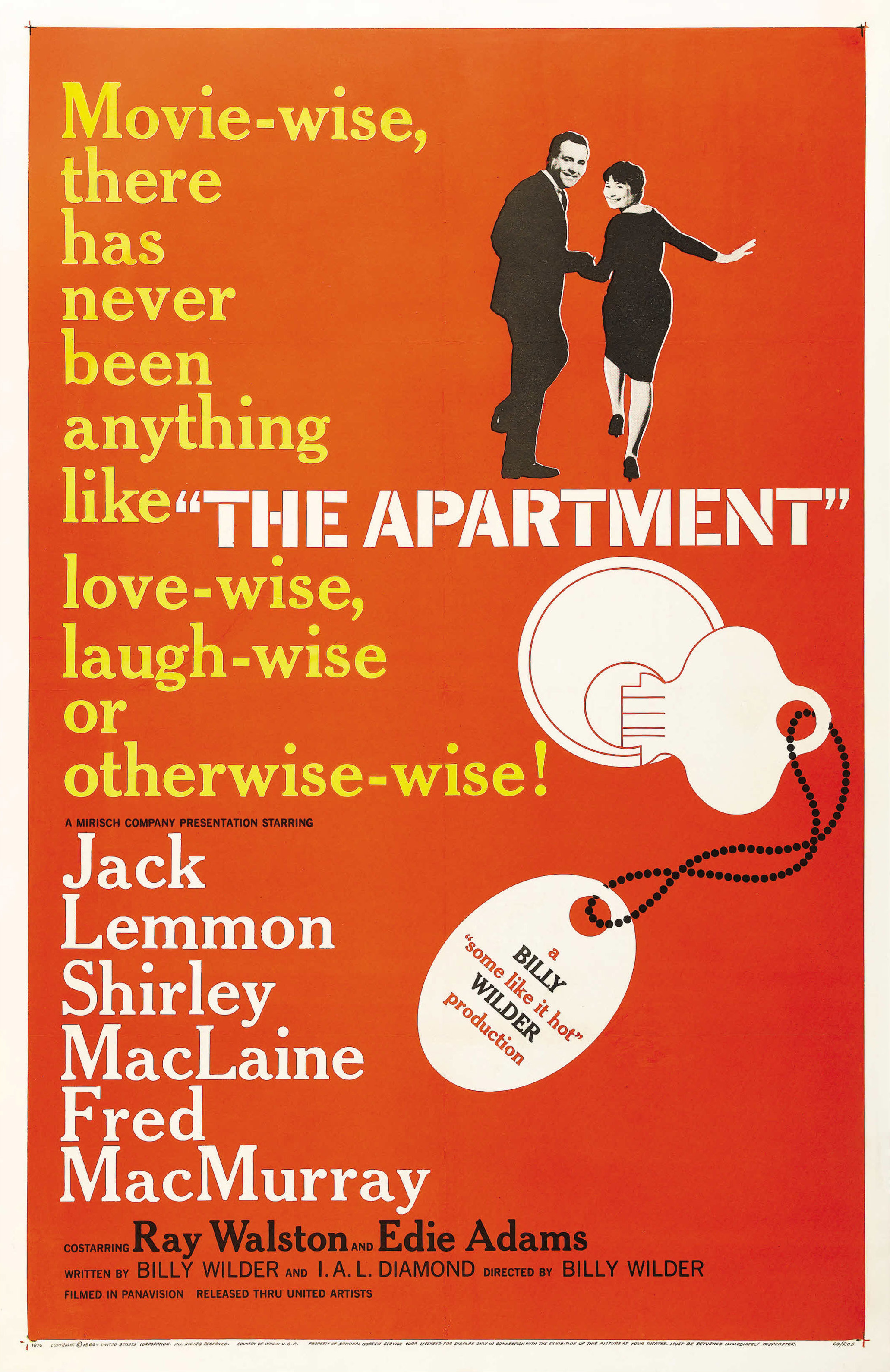
Billy Wilder's The Apartment (1960) stands as a profound touchstone in the filmic exploration of modern life, capturing the complexities of loneliness and the intricacies of human relationships. Set against the backdrop of a bustling corporate world, Wilder deftly critiques the dehumanizing aspects of corporate ambition and the moral compromises often made in the pursuit of success. The film is significant not only as a masterly work of cinematic art but also as a reflection of the societal anxieties of its era, illustrating how individual aspirations can become entangled with larger institutional agendas.
The film follows C.C. Baxter, played by Jack Lemmon, who rises through the ranks at his insurance company by allowing his superiors to use his apartment for their extramarital affairs. Wilder’s sardonic and satirical approach to storytelling reveals a chilling reality where personal sacrifice becomes necessary for professional gain. The emotional complexity of Baxter’s character, capturing both his longing for romantic fulfillment and the loneliness that accompanies his acquiescence to the corporate culture, establishes a nuanced exploration of urban isolation. Furthermore, the layered romantic entanglements involving Shirley MacLaine’s Fran Kubelik expose the dynamics of love overshadowed by betrayal, leaving audiences contemplating the costs of ambition and desire.
Critics have lauded The Apartment for its Brechtian elements that unmask the false comforts of romantic idealism against a stark urban landscape. The film's melancholic tone is balanced with a sharp wit, allowing Wilder to explore serious themes while maintaining an entertaining narrative. This blend of comedy and tragedy situates the film within the framework of big-city satire, where the absurdities of modern life are brought to the forefront. Wilder’s work challenges the viewer to confront the chilling realities of emotional manipulation and the sacrifices individuals make in their quest for connection amidst the relentless grind of city life.
In the broader context of Wilder's filmography, The Apartment represents a mature synthesis of his earlier themes of love and disillusionment. While the director's previous works often engaged in bold commentary on societal norms, The Apartment epitomizes a definitive shift towards a more subtle, yet powerful, examination of the human condition. Each character in the film embodies the cowardice and foreknowledge that accompanies their choices, presenting a reflective lens through which viewers can interrogate their own values and ethics. Ultimately, Wilder’s classic resonates with contemporary societal concerns as it deftly dissects the emotional toll of corporate exploitation and romantic sacrifice, prompting a lasting conversation about the intersections of ambition, love, and the human experience.
In conclusion, The Apartment remains a touchstone for understanding the complexities of personal longing within an impersonal societal structure. Wilder's intricate characterization and the film’s richly woven narrative continue to engage audiences, reminding us that beneath the pursuit of happiness often lies a profound sense of isolation. The film’s masterful storytelling and emotional authenticity have solidified its status as a major hit, demonstrating the enduring relevance of its themes and the remarkable foresight of its creator.