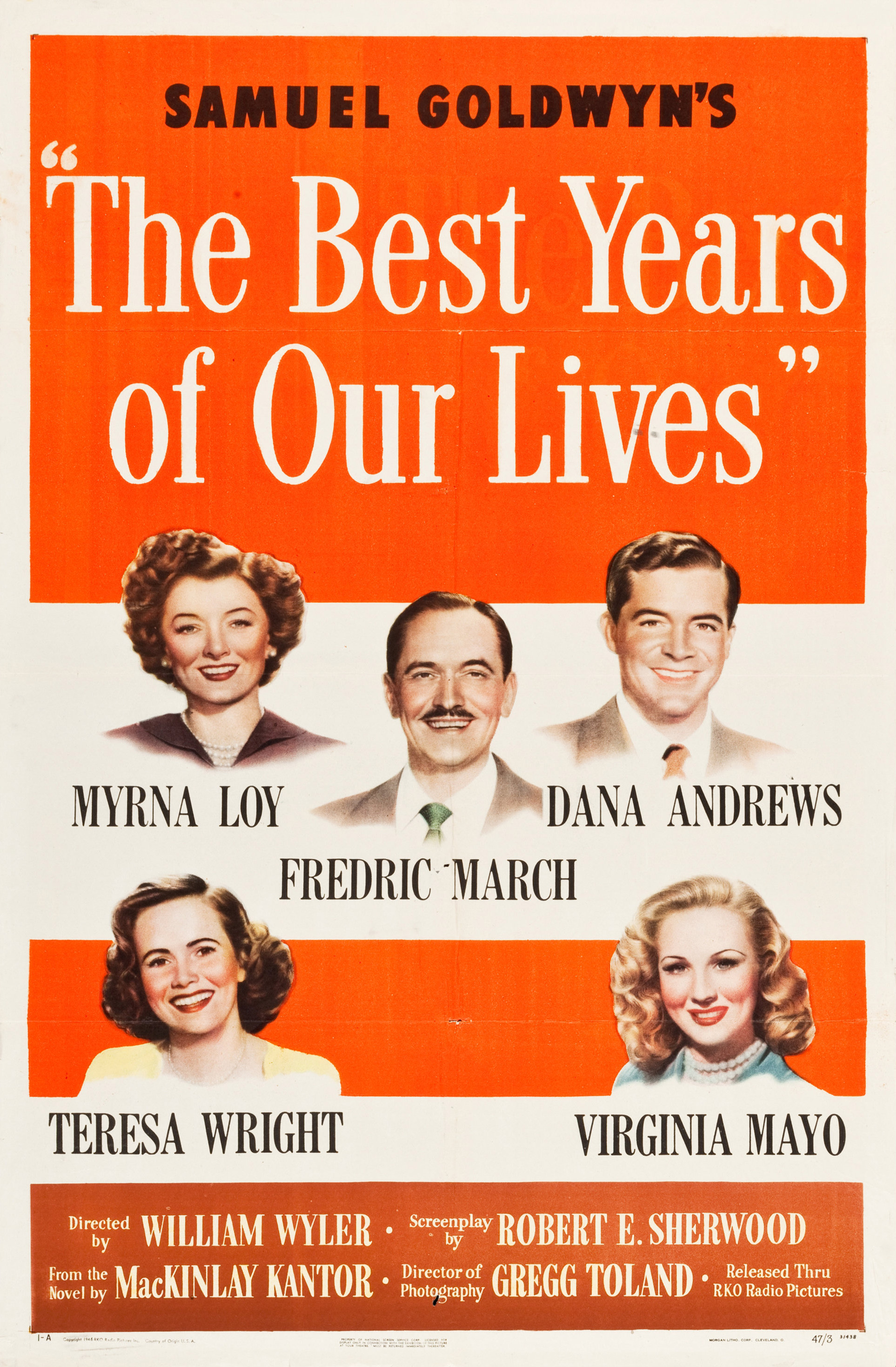
William Wyler's The Best Years of Our Lives stands out in cinema history as a poignant reflection of American society in the aftermath of World War II. Released in 1946, this film serves as a landmark in the portrayal of veterans re-integrating into civilian life, capturing a narrative that was both timely and profoundly resonant. Wyler, known for his capacity to evoke deep emotional performances in his actors, expertly crafts a narrative that explores the struggles faced by returning servicemen as they confront the complexities of family dynamics, societal expectations, and the scars left by war. The film's enduring legacy can be attributed not only to its significant themes but also to its nuanced and intimate direction that creates a powerful balance between realism and melodrama.
Critics widely laud The Best Years of Our Lives for its moving portrayal of post-war adjustment, with many noting the film's precise and emotionally charged performances. The ensemble cast, which includes standout performances from veterans like Harold Russell, an untrained actor whose sincerity adds gravitas to the film, contributes to a richly textured narrative about personal and communal healing. This deep emotional resonance is captured through remarkably understated visuals that emphasize the struggles of each character, reflecting a broader commentary on the challenges of re-assimilation into a normalcy that has irrevocably changed. The film combines masterful storytelling with visual elegance to portray a societal landscape that is both familiar and deeply challenging.
The themes of veteran reintegration and family dynamics are interwoven throughout the narrative, offering viewers a candid look at the impact of war on intimate relationships. The film navigates the space between the hope for a prosperous future and the harsh realities of returning home to strained marriages, parental expectations, and economic instability. In doing so, it tackles issues that resonate deeply, rendering the characters' journeys not just personal but universal. Critics celebrate how this film addresses the psychological toll of war, addressing both individual experiences and collective societal wounds that linger long after the peace is declared.
In an audacious achievement, The Best Years of Our Lives breaks away from the idealism often associated with earlier portrayals of war, instead embracing a more realistic and raw narrative that acknowledges the ambivalence of returning to a life that feels foreign. The film's impact is thus enormous, providing a template for how cinema can address contemporary social issues through the lens of personal narratives. It invites audiences to reflect on the sacrifices made by veterans and the complex interplay of love, forgiveness, and acceptance within families grappling with change.
Ultimately, Wyler's film captures the essence of a transformative period in American history while remaining deeply relatable across generations. By portraying the humanity behind the veteran experience, The Best Years of Our Lives challenges viewers to confront the realities faced by those who have served, making it a timeless exploration of resilience, identity, and the enduring bonds of family.