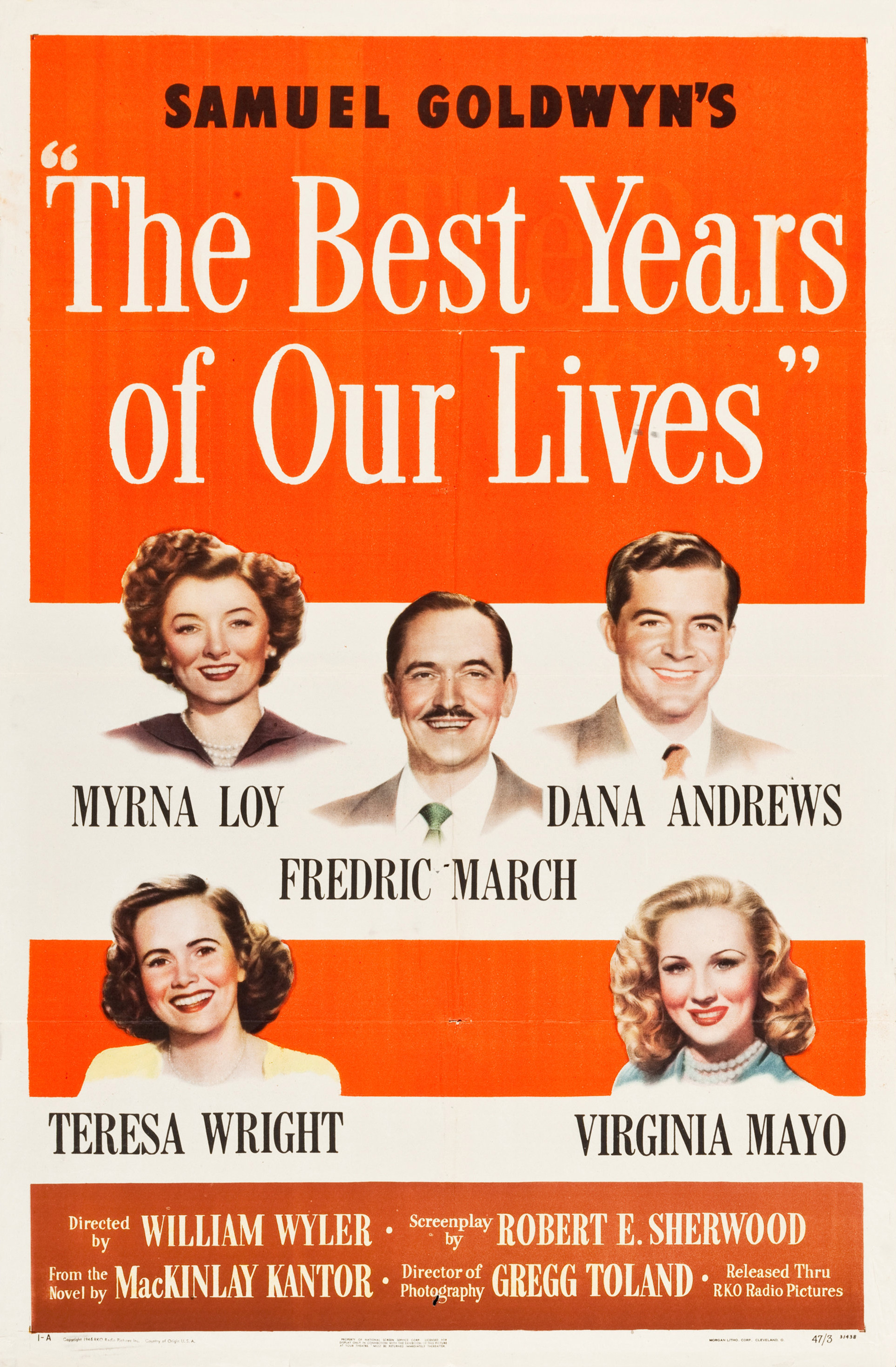
Directed by William Wyler, The Best Years of Our Lives (1946) stands as a monumental entry in the tapestry of American cinema, particularly in the post-war genre that sought to address the pressing realities of a country grappling with the return of its servicemen. At a time when the nation was poised to move forward from the devastation of World War II, the film offered a poignant reflection on the complexities of reintegration into civilian life. Wyler, known for his masterful storytelling and nuanced character exploration, crafts a narrative that is both deeply personal and universally relevant, making it a vital part of his oeuvre that continues to resonate with audiences today.
Critics have consistently praised The Best Years of Our Lives for its realism and heartfelt portrayal of the challenges faced by veterans as they navigate their re-entry into society. The film explores themes of post-war trauma and veteran struggles through the lives of its three main characters, who return home to find their lives irrevocably altered by their experiences. Each character embodies the resilience and strength required to confront the emotional scars left by the war, effectively humanizing the often overlooked psychological ramifications of service. The insightful commentary on family dynamics further enriches the narrative, revealing how these struggles impact relationships and the fabric of everyday life.
The film's moving and understated approach allows it to tackle sensitive topics without sensationalism, striking a balance that feels genuine and sincere. Critics describe it as powerful and poignant, noting how it sheds light on the societal implications of war while remaining an intimate character study. In depicting the veterans' reintegration, The Best Years of Our Lives delves into the often unresolved conflicts between duty, familial expectations, and personal identity, offering a sophisticated exploration of the American experience.
As a reflection of its time, Wyler's film remains relevant today, reminding contemporary audiences of the ongoing struggles faced by those returning from conflict. Its themes of resilience, adjustment, and the search for purpose post-service calls to a universal understanding of human experience, transcending the specific historical moment it depicts. Critics have noted the film's lasting impact, arguing that its insightful narrative and realistic portrayal of trauma contribute significantly to its status as a classic in American cinema. Ultimately, The Best Years of Our Lives is not only a testament to the trials faced by veterans but also an exploration of hope and healing in the face of adversity, ensuring its place in the hearts and minds of viewers for generations to come.