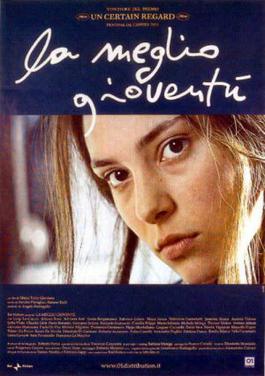
Released in 2003, Marco Tullio Giordana's The Best of Youth stands as a monumental work within the landscape of Italian cinema, showcasing the director's knack for intertwining personal narratives with broader historical contexts. This epic film, spanning four decades, follows the lives of two brothers, Nicola and Matteo, as they navigate personal identity, family dynamics, and the tumultuous waves of Italian history. Giordana presents an ambitious narrative that often mirrors the social and political upheaval of Italy, creating a canvas that is as intimate as it is grand in scope.
Critics have lauded The Best of Youth for its profound emotional resonance, capturing the nuances of love and loss that shape human experience. The film's deliberate pacing allows for a deep engagement with the characters, rendering their joys and sorrows palpable. Viewers are drawn into the intricacies of family relationships, which are examined against the backdrop of changing socio-political landscapes in Italy, thus offering audiences a reflection on how personal lives are inextricably linked to the national identity. The film illuminates the burdens of history that each generation carries, showcasing how familial support and conflict coexist within the framework of personal and collective identity.
The overarching themes of the film create a rich tapestry of lived experience that resonates on multiple levels. Love, often fraught with complications, serves as both a refuge and a source of conflict for the characters, enhancing the emotional impact. As Nicola and Matteo's lives evolve, we witness how their aspirations, fears, and relationships are forged in the fires of uncertainty, making their journeys emblematic of broader human struggles. Giordana's characterization elevates these themes, inviting audiences to ponder their own relationships amidst the transformations of time.
Critically, The Best of Youth is considered one of the finest achievements in modern Italian filmmaking, a testament to Giordana's ability to meld the personal with the political. The film’s depth is matched by its stunning cinematography and a haunting score that underscores the emotional weight of its narrative. Critics frequently refer to its scope as 'epic' and 'ambitious', yet it remains profoundly intimate, a duality that few films manage to achieve. Through its expansive narrative, viewers are not merely spectators but participants in the emotional journeys of the characters, creating an enduring connection long after the credits roll.
In an era where cinema often seeks to captivate with spectacle, The Best of Youth serves as a poignant reminder of the power of storytelling to forge connections between individuals and the broader currents of history. Giordana’s film does not merely recount events; it explores the fabric of life, inviting audiences to reflect on their own histories and relationships. Thus, it solidifies its place not only in the canon of Italian cinema but also in the hearts and minds of those who experience its profound narrative.