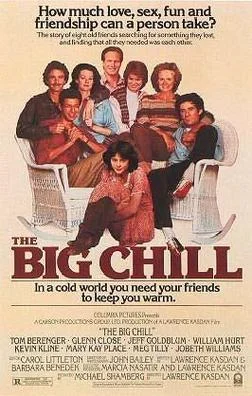
Lawrence Kasdan's The Big Chill holds a significant place in cinema history as a hallmark of the ensemble film genre. Released in 1983, it emerged during a time of cultural transition in America, capturing the angst and disillusionment of a generation that had experienced profound social upheavals in the 1960s and 1970s. As a director already recognized for his sharp storytelling following works like Body Heat and The Accidental Tourist, Kasdan effectively transformed his knack for character-driven narratives into a poignant exploration of friendship and nostalgia. The Big Chill serves as both a reflective look at personal growth amidst loss and a celebration of the bonds forged during youth, making it not just a film but a touchstone for many who grappled with the complexities of adulthood.
The film revolves around a group of college friends who reunite for the funeral of one of their own, sparking a nostalgic journey through shared memories, triumphs, and regrets. The critical consensus emphasizes its character-driven nature, allowing an ensemble cast, including the likes of Glenn Close, Kevin Kline, and Jeff Goldblum, to showcase their strengths in a way that feels authentic and warm. Viewers are invited to witness not merely a story about a tragic loss but an examination of the relatable struggles that accompany personal growth and the weight of nostalgia. The film navigates the intricate dynamics of friendship through candid conversations, creating an atmosphere that feels both engaging and relevant to the audience's own experiences.
Themes of privilege and the haunting specter of lost dreams permeate the narrative as the characters confront the aspirations and reality of their current lives. Each character’s journey serves to underscore that while the past may evoke fond memories, it is ultimately the present and future that define their identities. Critics appreciate how The Big Chill avoids manipulation, instead presenting a raw and honest depiction of the characters' lives. This authenticity resonates deeply, drawing viewers into the emotional core of the story while reflecting their own life experiences.
Notably, the film's nostalgic undertones are powerfully underscored by its iconic soundtrack, which features classic tunes that echo the characters’ formative years. Music plays a crucial role in highlighting nostalgia, serving as both a soundtrack to their memories and a reminder of the transient nature of time. This seamless integration of sound and narrative further solidifies The Big Chill as a character-driven tapestry that resonates with audiences long after the credits roll.
In contemporary cinema, The Big Chill continues to influence ensemble films and character studies by demonstrating the importance of authentic storytelling and the exploration of intricate relationships. Its enduring relevance speaks to the universal themes of friendship, nostalgia, and personal growth, ensuring that it remains a heartfelt reflection of the human experience. As audiences continue to grapple with the complexities of life and loss, Lawrence Kasdan's work serves as both a mirror and a comforting companion, echoing the impermanence of youth while celebrating the lasting bonds that define us.