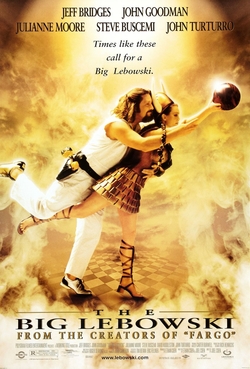
In the pantheon of independent cinema, few films have achieved the cult status and enduring resonance of the Coen Brothers' The Big Lebowski. Released in 1998, this peculiar blend of comedy and noir not only exemplifies the Coen Brothers' distinctive style but also stands as a significant artifact of the late 1990s, reflecting the zeitgeist of a generation grappling with issues of identity and the absurdity of modern life. The film's genial yet shambling protagonist, Jeffrey "The Dude" Lebowski, has since become an emblematic figure of counterculture, driving home the film's themes of mistaken identity and the complexities of friendship in an increasingly surreal world.
The critical consensus surrounding The Big Lebowski has evolved since its initial release, which was considered a box office bomb compared to the filmmakers' earlier works. Early responses struggled to fully comprehend the film's inventive structure and light, rambling narrative, which weaves through various absurd situations and encounters. However, as audiences began to appreciate its eccentric charm, The Big Lebowski was embraced for its unconventional storytelling and quirky characters, ultimately fostering a devoted fanbase that celebrates its unfathomable humor and layered symbolism. This shift in perception highlights the film's role in shaping a new wave of cinematic pop poetry, where each viewing reveals deeper insights into its social commentaries and nostalgia for a bygone era.
Central to the film’s narrative is a satirical yet affectionate examination of subcultures and the individuals who inhabit them. As The Dude embarks on a misguided adventure to reclaim a stolen rug, viewers are introduced to a host of peculiar characters, including nihilists, artists, and Vietnam veterans. These encounters shed light on notions of friendship in a chaotic, often meaningless landscape, where alliances can be as transient as the tumbleweeds that drift through the film’s hazy ambience. The Coen Brothers masterfully blend humor with moments of genuine warmth, creating a film that is at once insouciant yet deeply reflective of human connections.
Moreover, The Big Lebowski showcases the Coen Brothers' trademark surrealism and absurdity, hallmarks of their filmography that often prompt audiences to grapple with the nature of reality and fiction. The film thrives on its playful yet skewed take on the noir genre, upending traditional archetypes and narrative structures. This inventive approach, coupled with its rich visual style and memorable score, contributes to a dreamlike quality that invites viewers to lose themselves in its world.
In retrospect, The Big Lebowski is much more than just a comedic odyssey; it encapsulates the spirit of its time while charting a unique course in film history. Its dedicated cult following continues to thrive, as fans quote lines and analyze its themes, proving that even films initially overlooked can find a place in the collective cultural consciousness. Through its blend of originality, humor, and deeper philosophical questions, The Big Lebowski stands as a testament to the Coen Brothers' ability to craft stories that resonate, entertain, and provoke thought long after the credits roll.