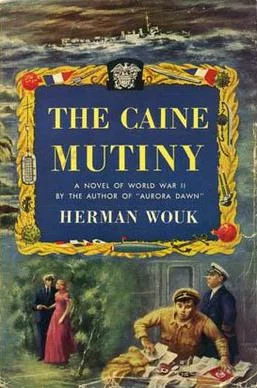
Released in 1954, The Caine Mutiny represents a pivotal moment in the legacy of director Edward Dmytryk and the larger landscape of post-war American cinema. After a series of successful films, this adaptation of Herman Wouk's Pulitzer Prize-winning novel marks both a continuation of Dmytryk's exploration of human psychology and a reflection on the moral complexities of military authority. It emerges during an era ripe for stories that scrutinized the reliability of leadership and the impact of mental instability on decision-making, themes that resonate with audiences even today. The film’s courtroom drama, set against the backdrop of the Pacific theater during World War II, serves as a microcosm for broader social tensions of the time, deepening its cultural relevance.
Critics have consistently highlighted the film's ability to evoke psychological tension amidst its gripping narrative. The performances, particularly those of Humphrey Bogart as the unstable Captain Queeg and Jose Ferrer as the defense attorney, have been described as unforgettable, showcasing the actors at their finest. Bogart’s portrayal of Queeg transforms him into a tragic figure whose deteriorating mental state raises questions about competence and responsibility in leadership. The dynamic between these characters, along with the pressure-cooker scenario of the courtroom, serves to illuminate the profound ambiguities present in matters of authority and duty, making every moment painfully relatable.
The film's ending, its courtroom finale, concludes a harrowing exploration of moral ambiguity where the audience is left to grapple with the implications of the verdict. The narrative doesn’t spoon-feed the audience, instead opting for a forensic and exacting approach that encourages viewers to engage actively with the themes of mental health and the perils of command under intense scrutiny. Dmytryk's direction skillfully heightens this uncomfortable examination, creating claustrophobic tension that reflects the internal struggles of the characters, making The Caine Mutiny a worthy addition to any serious study of film.
Dmytryk's directorial finesse is complemented by the top-notch casting and character portrayal, a hallmark of the studio system at its zenith. The film serves not only as a swansong for Dmytryk's career, marking an essential chapter in a director known for his adept handling of character-driven stories, but also showcases the refined abilities of a talented ensemble cast, including screen veterans and skilled studio actors. Critically, The Caine Mutiny stands as a deceptively brilliant adaptation that highlights its source material's psychological depth while elevating the narrative with strong performances and a compelling moral inquiry.
Ultimately, The Caine Mutiny endures as a film that is as relevant today as it was upon release, inviting discussions surrounding leadership, mental health, and the integrity of military systems. As part of Dmytryk's filmography, it encapsulates a transitional moment in American cinema, preserving a vital conversation regarding authority and the human psyche that has only grown more complex over time. In doing so, it retains its status as a classic, not just within its genre but also as a profound commentary on the intricacies of moral ambiguity and psychological tension.