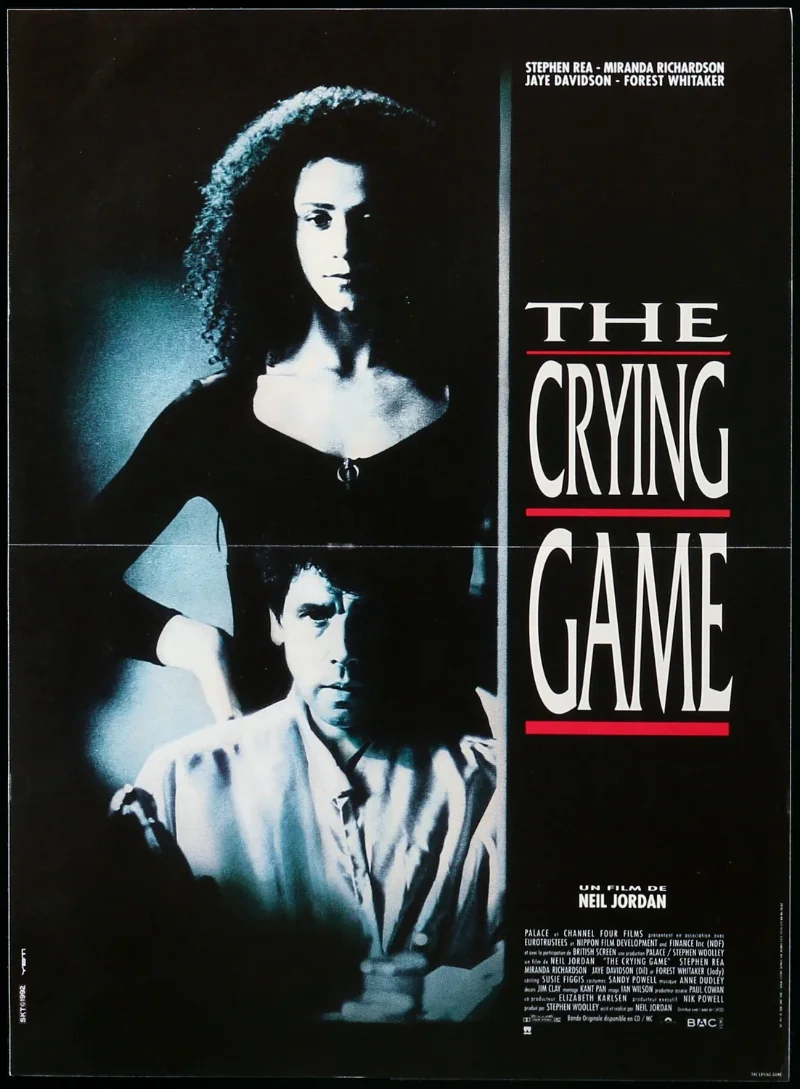
Released in 1992, The Crying Game stands as a pivotal film in Neil Jordan's oeuvre and within the landscape of cinema that explores the intricacies of identity and the fabric of personal and political conflict. The film, a blend of thriller and socio-political commentary, intricately weaves themes of love, loyalty, and betrayal into its narrative, thereby challenging audience expectations. Set against the backdrop of the Northern Irish conflict, it delves deep not only into the complexities of romance but also the multifaceted nature of human allegiance and societal division.
Critics have hailed The Crying Game for its emotionally complex storytelling and its unexpected twists that keep viewers engaged throughout. The film's exploration of identity is particularly nuanced, portraying how external circumstances can shape personal realities. Its most famous twist, revealing the true identity of a key character, elicits discussions about gender, sexuality, and the nature of love itself. This daring narrative choice does not merely serve as a shock factor but is a catalyst for the film's deeper inquiries into loyalty and betrayal.
The performances in The Crying Game have been noted as finely-acted, with the cast effectively embodying the multifarious characters who navigate love under duress from their political realities. Stephen Rea's conflicted protagonist grapples with his growing attraction to Dil, expertly played by Jaye Davidson, whose haunting presence evokes both vulnerability and strength. This relationship transcends simple romance, instead embodying a broader commentary on transformation and the resilience of individuals faced with societal constraints.
Jordan’s vision is not only that of an intricate narrative but also a lens through which to view the broader questions surrounding identity amidst conflict. The film bravely addresses the intersections of personal desire and deeply entrenched political divisions, inviting viewers to reconsider their own perceptions and biases. Its exploration of these themes is sensitively written, allowing for emotional resonance that lingers long after the credits roll, thus solidifying its place in the canon of innovative cinema.