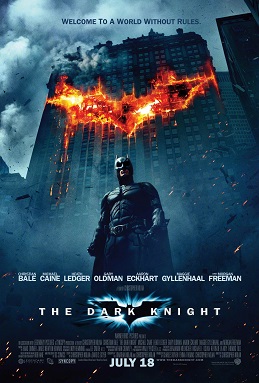
The Dark Knight, directed by Christopher Nolan and released in 2008, transcends the traditional superhero genre, embedding itself in the annals of cinema history as a profound exploration of moral complexity and the human condition. As the second installment of Nolan's Batman trilogy, the film not only elevates the comic book narrative but also serves as a poignant commentary on justice, anarchy, and the thin veil between good and evil. With its ambitious storytelling and dark aesthetic, The Dark Knight remains a landmark achievement in the landscape of modern filmmaking, reinforcing Nolan's status as a visionary director able to weave intricate narratives that resonate with both thematic depth and societal relevance.
Critically, The Dark Knight has been lauded for its engrossing and tragic portrayal of its characters, particularly the haunting figure of the Joker, played masterfully by Heath Ledger. Ledger's performance embodies the malevolent chaos that challenges the moral compass of Gotham City, presenting viewers with a strange duality of evil. This portrayal prompts the audience to reflect on the nature of fear and how it is manipulated as a tool of terrorism and control. The film's thematic exploration of identity, as characters grapple with their own moral dilemmas, reinforces the notion that the line between hero and villain is not only ambiguous but often obscured by one's circumstances and choices.
The visual spectacle provided by Nolan’s meticulous direction and the film's grandiose cinematography adds another layer to its storytelling. Each frame is crafted with discernment, depicting a dark, bleak world that mirrors the internal struggles of its characters. Moreover, the use of practical effects and location shooting enhances the sense of authenticity and grounded realism, setting The Dark Knight apart from its contemporaries in the superhero genre. This artistic choice amplifies its thematic concerns, presenting Gotham as a character in its own right, beleaguered yet resilient amidst chaos.
At its core, The Dark Knight grapples with the concepts of justice and goodness amid a society teetering on the brink of anarchy. The tension between Batman’s pursuit of order and the Joker's relentless drive for chaos invites viewers to contemplate the fragile nature of peace and security. Consequently, the film becomes more than just a tale of good versus evil; it evolves into a haunting allegory about the sacrifices made in the name of justice and the inherent darkness within humanity.
In conclusion, The Dark Knight is a complex tapestry that challenges audiences to engage with its deeper philosophical questions, making it a fixture of cinematic excellence. The film, marked by its engrossing narrative and tragic characters, transcends mere entertainment, pushing the boundaries of genre and forging a path for future filmmakers. By blending moral ambiguity with a stark visual style, Christopher Nolan has crafted a timeless parable that continues to resonate, reminding us of the beauty and horror entwined in the quest for understanding the light and dark within us all.