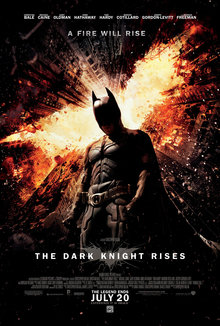
Christopher Nolan's The Dark Knight Rises serves as the epic conclusion to his critically acclaimed Batman trilogy, marking a significant milestone in both superhero cinema and Nolan's own cinematic oeuvre. Released in 2012, the film wraps up the narrative threads introduced in Batman Begins and The Dark Knight, culminating in a sprawling conclusion that is both grand and emotionally resonant. With its industrial imagery and a heightened scale of storytelling, this final chapter showcases an ambitious vision that elevates the superhero genre to new artistic heights. It stands as a testament to Nolan's ability to blend blockbuster entertainment with profound thematic explorations of morality, resilience, and redemption.
The critical consensus finds The Dark Knight Rises to be a fitting conclusion to the trilogy, balancing spectacular action sequences and sophisticated storytelling. Reviewers have noted the film's visual grandeur and hypnotic intensity, with many applauding its ambitious narrative that takes the audience on a journey through Gotham's most desperate moments. The film grapples with themes of vulnerability and the human condition, portraying a Batman who, despite his iconic status, is ultimately relatable in his wounds and struggles. It is within these layers of wounded maturity that the film elevates itself, offering a potent commentary on the nature of heroism in a morally complex world.
Visually, the film is remarkable, a monolithic achievement that immerses viewers in a desolate Gotham City, ravaged both physically and psychologically. Nolan's mastery of visuals serves to enhance the narrative’s emotional thrust, where every explosion and dramatic moment is underscored by deep philosophical inquiries into justice and sacrifice. The cinematography and production design work in tandem to create a palpable sense of intensity that refuses to relent, leaving audiences with a haunting yet triumphant experience that echoes long after the credits roll.
Critics have praised the film's intelligence, recognizing it as a compelling narrative that challenges conventional superhero tropes while offering a grand moral presence. It is both a culmination of grand spectacle and a personal journey, an exploration of the burdens faced by its central characters, particularly Bruce Wayne. The film’s brilliant pacing and structured tension lead to a climax that is both explosive and satisfyingly reflective, revealing that triumph is often born from vulnerability and the acknowledgment of one's limitations.
In retrospect, The Dark Knight Rises not only seals Nolan's trilogy with a powerful resonance but also reshapes the landscape of modern cinema. It captures the essence of the superhero narrative while inviting audiences to engage with deeper philosophical concepts that challenge the simplistic dichotomy of good and evil. As a formidable closing act, it becomes clear that Nolan’s vision for Batman is not merely about a man in a cape but about the complexities of heroism itself, offering a reflection on the human spirit's capacity to rise against adversity.