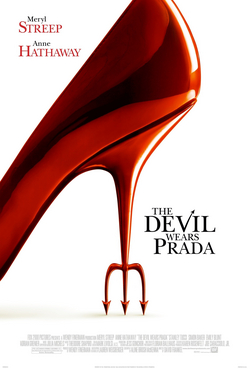
Released in 2006 under the direction of David Frankel, The Devil Wears Prada emerges as a defining piece of cinema that scrutinizes the fashion industry, while simultaneously unfolding a rich narrative about ambition and personal sacrifice. Frankel, known for his ability to blend humor with poignant storytelling, constructs a vibrant world where fashion serves as both the backdrop and catalyst for character development. The film’s exploration of career ambition is set against a dazzling yet often unforgiving landscape, showcasing a nuanced view of the sacrifices made by those who seek success in demanding fields.
Critics have largely deemed The Devil Wears Prada as a morality tale steeped in ambiguity, walking the fine line between glorifying and critiquing the high-stakes world of fashion. The film introduces us to Andrea Sachs, played by Anne Hathaway, whose transformation from a naïve aspiring journalist to a polished fashion assistant appeals to viewers' curiosity about personal growth and career challenges. Throughout this transition, the film presents a predictable narrative arc that nevertheless remains engaging due to its clever humor and the impressive performances of its lead actors, particularly Meryl Streep, whose portrayal of the imperious Miranda Priestly has become iconic. The characters serve as both engaging and amusing representations of the industry, yet they remain, at times, a bit brittle, suggesting an emotional distance that mirrors the pressures of the fashion world.
The critical consensus surrounding the film acknowledges its fast-paced and glamorous aesthetic, while also pointing out its deeper themes of morality and personal transformation. Many reviewers note that the film's predictability does not detract from its charm; in fact, it may enhance its universal appeal as audiences can relate to the protagonist's struggles with identity and ambition. Yet, some critics have also identified moments of unevenness within the narrative, where it occasionally veers towards the humorous and loses the impact of its core message about personal sacrifice and the cost of ambition. Despite this, the film retains an overall fair assessment of the industry's duality, its offerings of allure and the emotional price that often accompanies success.
The Devil Wears Prada stands not only as a commentary on fashion but also as a reflection on society's relentless pursuit of career satisfaction at the potential expense of personal well-being. Frankel's adept direction blends comedy and drama, producing a film that is as witty as it is insightful. The character development of Andrea Sachs, in particular, sheds light on the transformative yet sometimes disillusioning nature of high-pressure careers, encapsulating a message that resonates beyond the confines of the fashion world. In an industry often painted in opulent strokes, the film dares to expose the underlying tensions and moral questions that arise in the chase for success, making it a pivotal addition to early 21st-century cinema that continues to spark discussion and reflection.