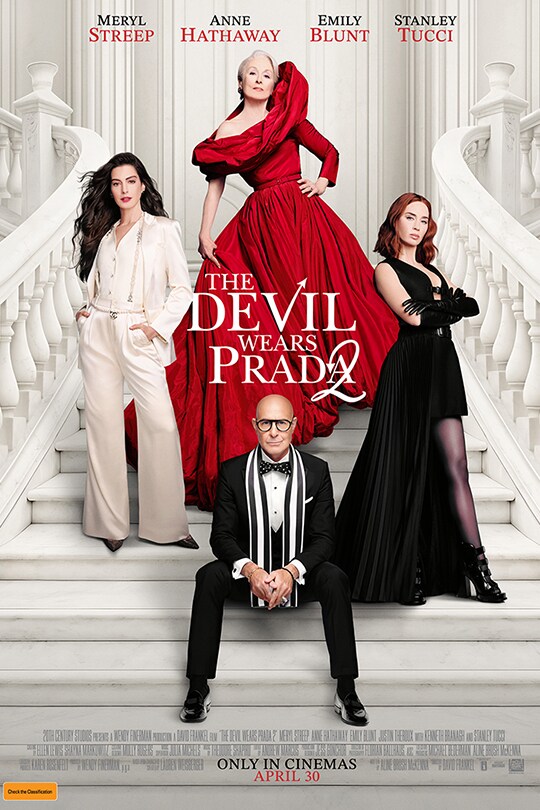
As we step back into the whirlwind world of fashion and ambition, The Devil Wears Prada 2 emerges as a vibrant continuation of a beloved cinematic classic. Directed by David Frankel, who previously guided the original film in 2006, this sequel invites audiences to reevaluate the dynamics of the fashion industry amidst profound shifts in media and societal expectations. Recognized for its iconic status, the original film encapsulated the essence of work-life balance and the often unattainable glamour associated with high fashion. In this sequel, Frankel not only revisits these themes but enriches them through a reflective lens, allowing nostalgia to permeate the narrative while addressing contemporary industry challenges.
Critics widely acclaim The Devil Wears Prada 2 for its sassy energy and flair, affirming the film’s character-driven approach. The familiar faces of beloved characters gracefully transition into new roles within an ever-evolving media landscape. The film’s exploration of media evolution and decline resonates profoundly, depicting the nuanced transformation of fashion journalism in a digital age, where the authority of print wanes yet the allure of fashion remains robust. This evolution is both a nod to the past and a commentary on the future of the industry, highlighting how ideals of success and celebrity are perpetually in flux.
What sets this sequel apart is its sprightly narrative style, which harmoniously balances familiar motifs of glamour with relatable themes of personal and professional growth. It navigates through the chaos of ambition while maintaining a focus on the emotional core of its characters, who are both workaholic and devoted. In doing so, it connects with a modern audience that seeks authenticity in an increasingly curated world. This relatable undertone provides a much-needed counterbalance to the luxe aesthetic, turning what could easily have descended into mere spectacle into a thoughtful homage to resilience and reinvention.
The critical consensus embraces the film’s nostalgic references while also appreciating its innovative approach to storytelling within the fashion genre. By intertwining high-stakes drama with lighthearted humor, The Devil Wears Prada 2 is praised for maintaining the spirit of the original while introducing fresh narratives that reflect the complexity of contemporary professional life. Rather than seeking to simply recreate the magic of its predecessor, the film engages with its subject matter in a way that feels authentic and relatable, offering a beloved series of characters and a luxurious backdrop against which to explore new themes.
As the film unfolds, it invites viewers to reflect not only on the glitzy world of fashion but also on the broader implications of media evolution and societal standards. The return of our favorite characters is not merely a journey down memory lane but a call to embrace the challenges and triumphs of modernity. In doing so, it cements The Devil Wears Prada 2 not just as a sequel, but as a significant commentary on the enduring allure and complexity of the fashion world, ensuring its place within the canon of classic cinema.