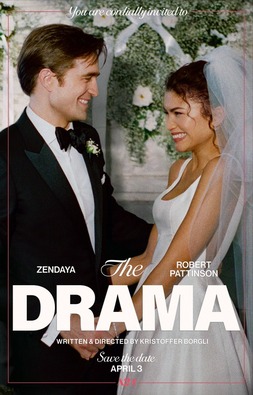
Kristoffer Borgli has carved a niche within the realm of contemporary cinema with his insightful yet discomforting exploration of human relationships. Following the critical acclaim of his prior works, The Drama (2026) solidifies his reputation for merging uneasy humor with deeply satirical narratives. Borgli's films often navigate the boundaries of societal norms and personal conflicts, using a distinct, sometimes coldly amusing lens that resonates with audiences while eliciting genuine feelings of discomfort. In this latest film, he continues to probe into the nuances of unconditional love, societal taboos, and the complex dynamics of infatuation, crafting a narrative that feels remarkably timely in its examination of modern relationships.
The critical reception of The Drama paints it as an edgy and often messy romantic comedy that thrives on uncomfortable comedy. Many reviews celebrate its ability to elicit laughter while simultaneously shedding light on the moral hypocrisies woven into the fabric of our interactions. Borgli presents a mélange of high-anxiety and high-concept storytelling that lays bare the human impulses often masked by societal expectations. The film showcases characters caught in volatile dynamics, where humiliation and violence are not mere plot devices but poignant reflections of their internal struggles and the external pressures they face.
As critics note, The Drama oscillates between the pleasurable and the merciless, balancing moments of relatable absurdity with disturbing revelations. The film's humor is marked by a satirical edge that questions the taboos surrounding love, desire, and acceptance. Borgli's narrative design leads viewers on a rollercoaster ride through the highs and lows of romance, challenging them to engage with both the hilarity and the sorrow that each character experiences. This engagement is often marked by an overwhelmingly detached presentation that keeps audiences at arm's length, provoking reactions that range from laughter to discomfort.
Ultimately, what sets The Drama apart is its sweet conclusion, which brings forth a surprising clarity out of chaos. In a world where even the most banal interactions can spiral into disaster, Borgli manages to infuse hope and warmth amidst the wreckage. The film ends on a note that feels not only believable but also resonant in portraying the resilience of love, despite its many challenges. This conclusion invites viewers to reflect on their own romantic entanglements, leaving a lingering sense of introspection long after the credits roll.
In the broader context of cinema, The Drama highlights a trend towards films that embrace discomfort to explore profound truths about human nature. Borgli's work continues to push boundaries, tackling social norms while holding a mirror to our own hypocrisies. As we navigate through the film's intricate web of relationships, we are reminded of the fragility of affection and the messy realities of love, reaffirming that ultimately, in both film and life, we are all compelled by our deepest impulses to connect, even when doing so feels fraught with uncertainty.