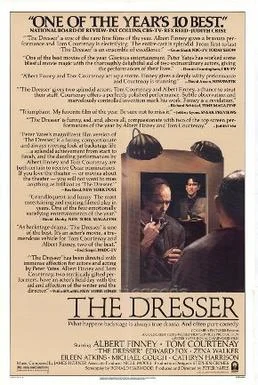
In the realm of theater-based films, The Dresser (1983), directed by Peter Yates, offers a poignant exploration of the complexities inherent in both theater life and human relationships. The film, set against the backdrop of wartime England, is a carefully crafted adaptation of Ronald Harwood's original play, delving into themes of mentorship, dependence, and personal sacrifice. Yates, known for his ability to capture character-driven narratives, successfully conflates emotional depth with the intricacies of performing arts, making the film a powerful entry in his oeuvre.
Critically, The Dresser has garnered recognition for its intimate portrayal of the intricate dynamics within a theatrical company. The psychological drama that unfolds showcases the ever-present ego conflicts and dependence between the characters, primarily focusing on the relationship between a fading theater star and his devoted dresser. The film’s dimly lit aesthetic enhances the melancholy yet engrossing atmosphere, allowing for deeper character introspection. Reviewers have pointed to the expressive performances that anchor the narrative, delivering an emotional experience that is both relatable and reflective of the sacrifices made in pursuit of artistic integrity.
At its heart, The Dresser is as much about the conflicts externalized during wartime as it is about internal battles. It exemplifies how those in the performing arts navigate the complexities of their roles, not just on stage but in their interpersonal relationships off stage. The mentorship dynamic between the seasoned actor and his dresser is emblematic of the broader theme of dependency in the face of crises, both personal and collective. Here, Yates effectively captures the essence of theater life, where performances often mask deeper vulnerabilities and fears.
The critical consensus unveils a multi-faceted narrative that is brilliant in its execution. The emotional gravitas found throughout the film resonates with audiences, evoking reflections on the sacrifices that artists make in their pursuit of excellence. Yates's direction, paired with the adaptive brilliance of Harwood’s screenplay, results in an effective psychological drama that emphasizes the sacrifices inherent to both theater and wartime England.
Ultimately, The Dresser serves as a compelling commentary on the nature of performance in all its forms, presenting an engrossing tableau that transcends mere entertainment. The film stands as a testament to the enduring power of mentorship, sacrifice, and the complex dynamics that shape both individual identities and collective artistic endeavors, securing its place in the canon of significant cinematic explorations into the world of theater.