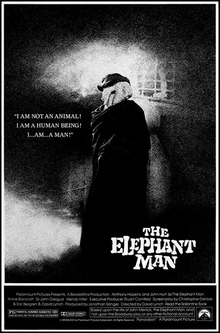
David Lynch's The Elephant Man (1980) stands as a poignant testament to the director's ability to weave complex emotional narratives within a visually arresting framework. In a career defined by unconventional storytelling and haunting imagery, Lynch delves into the life of Joseph Merrick, a man living with severe physical deformities in Victorian England. The film emerged during a decade when Hollywood began exploring more serious, character-driven narratives. It highlighted the plight of marginalized individuals, solidifying Lynch's position as a master filmmaker capable of navigating the intersection of art and humanity.
At its core, The Elephant Man grapples with the weighty themes of identity and exploitation. The film invites audiences to confront society's often brutal treatment of those deemed "different". Through the lens of compassion, Lynch evokes profound empathy for Merrick, who is stripped of his dignity by those who should offer assistance. This tension between exploitation and humanity resonates throughout the narrative, culminating in a moving portrayal of resilience in the face of adversity. Critics have noted Lynch's assured direction, serving as a powerful counterpoint to Merrick's tragic existence, which ultimately highlights the beauty and strength of the human spirit.
The performances elevate the material, particularly John Hurt's masterful depiction of Merrick. Hurt embodies a heartbreaking vulnerability, capturing the essence of a man striving for acceptance in a world that largely views him as grotesque. Anthony Hopkins' portrayal of Dr. Frederick Treves introduces another layer to this narrative, showcasing the complexities of human relationships in an environment rife with hypocrisy and moral ambiguity. Together, they create a deeply affecting portrait of friendship that combats the isolating forces of society, moving viewers to reflect on their own understanding of identity and otherness.
Critics have hailed The Elephant Man as a sensitive and beautifully crafted film that transcends its historical context, remaining relevant in contemporary discussions surrounding compassion and identity. Lynch's haunting visuals and measured pacing serve to amplify the film's emotional weight. Through its subtle but powerful commentary on exploitation, the film resonates as an inspiring call for compassion, encouraging audiences to look beyond physical appearances to recognize the shared humanity that exists within us all. In a world that continues to grapple with issues of identity and acceptance, The Elephant Man endures as a timeless reflection on the resilience of the human spirit.