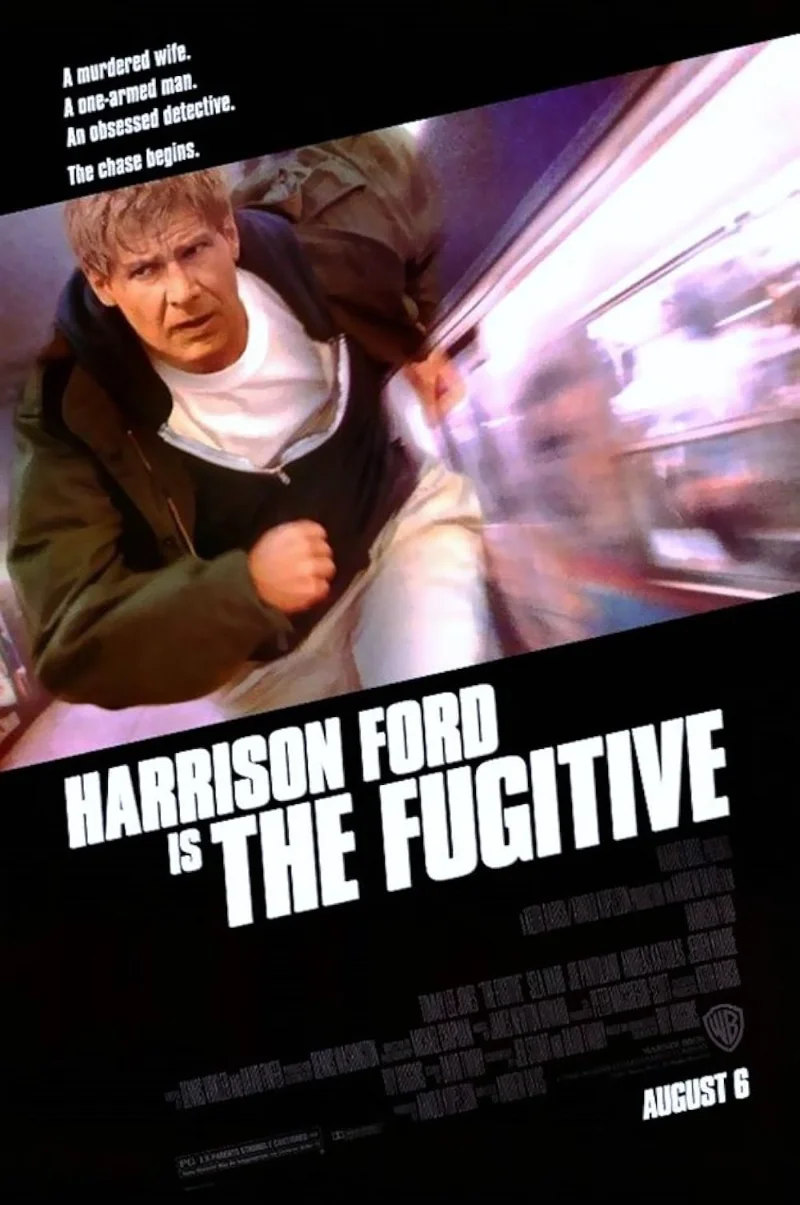
In 1993, director Andrew Davis released The Fugitive, a film that has since become a cornerstone of the action-thriller genre. Set against the backdrop of a gripping manhunt, the movie follows Dr. Richard Kimble, portrayed by Harrison Ford, as he seeks to clear his name after being wrongfully convicted of his wife’s murder. This film not only showcases a masterful blend of tension and adrenaline but also reflects Davis's ability to create a narrative that resonates with themes of justice and innocence. Davis, known for his effective storytelling and ability to maintain suspense, delivers a taut and intelligent screenplay that pushes the boundaries of conventional thrillers.
Critics widely agree that The Fugitive expertly intertwines the themes of pursuit and justice, making it a compelling narrative about the struggle of an innocent man against a corrupt system. The relentless chase led by Tommy Lee Jones, who plays U.S. Marshal Samuel Gerard, adds a layer of complexity to the story. Jones’s portrayal elevates the film, as his character is not merely an antagonist but a force of nature, one that embodies the relentless pursuit of justice. The film’s pacing is both intense and adrenalized, keeping viewers on the edge of their seats as Kimble navigates various obstacles in his quest for truth and redemption.
The cinematic landscape of the early 1990s was marked by a growing fascination with themes of innocence and moral ambiguity, and The Fugitive fits seamlessly within this context. Its release coincided with a wave of films that tackled issues of identity, justice, and the precarious nature of truth. In retrospect, The Fugitive emerged as not just a thrilling escape story but also as a salient commentary on the failures of the judicial system. The plight of Kimble resonates deeply with audiences, evoking empathy for those wrongfully accused, a sentiment that is sadly all too relevant in today’s society.
Moreover, the film's structure is meticulously crafted, allowing for moments of introspection amidst the action. The intelligence behind the screenplay shines through as dialogue and character development are carefully interwoven with thrilling set pieces. Each encounter that Kimble faces further emphasizes the film's core themes, showcasing his desperation for justice while elucidating the complexity of being pursued by both law enforcement and societal judgment. This duality adds depth to the narrative, elevating it beyond mere entertainment.
Overall, the critical consensus surrounding The Fugitive establishes it as a masterclass in filmmaking, a film that not only delivers suspense and excitement but also invites the audience to question the nature of justice. Davis’ direction, coupled with Ford's and Jones’s compelling performances, crafts an intelligent narrative woven with elements of pursuit and the quest for innocence. The film remains a significant touchstone in cinema history, demonstrating that thrilling narratives can also provoke thought and engage viewers on a deeper level.