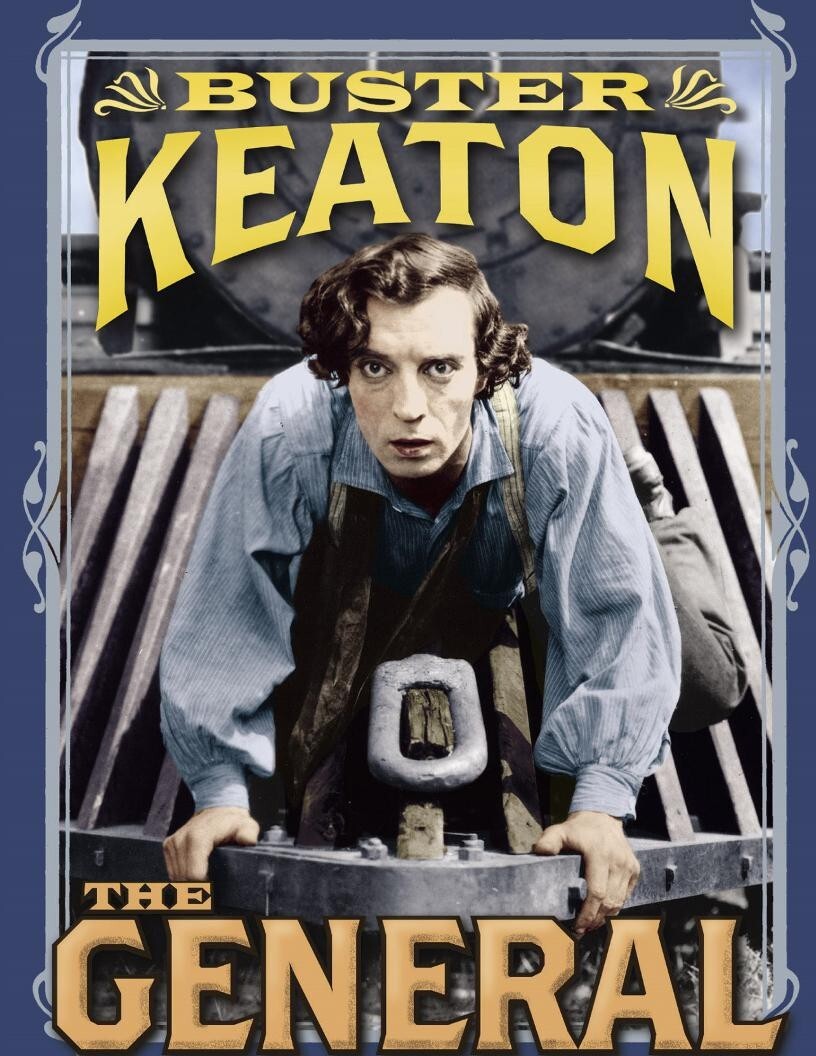
The General, directed by Buster Keaton and Clyde Bruckman in 1926, is frequently regarded as a pinnacle of silent cinema, fusing historical narrative with Keaton's unique brand of physical comedy. As one of the foremost figures of the silent film era, Keaton's ambition and innovation are on full display here, combining an action movie's thrilling elements with an intricate romantic subplot set during the American Civil War. The film captures the melancholy spirit of the time while delivering comedic surprises and expertly choreographed stunts that showcase Keaton's remarkable athleticism and precision.
The film's story revolves around Johnnie Gray, played by Keaton, who is a railroad engineer caught in the turmoil of the Civil War. As he pursues both his love interest, Annabelle Lee, and the Confederacy's locomotive, the film delves into themes of romantic heroism and determination. Critics have pointed out how The General defies genre boundaries by merging the action-adventure format with comedic elements, establishing one of the earliest examples of the action-comedy hybrid that would flourish in later cinema. Furthermore, Keaton's use of the Civil War backdrop allows for a vibrant visual storytelling that is rich with historical context, resonating with audiences beyond its initial release.
A consensus among critics highlights the film as a pioneering work, marking a high point in cinematography and stunt work. Keaton's ability to incorporate visual surprises through physical gags speaks to his mastery of comic timing and his dedication to grace and perfection in performance. Each scene is meticulously constructed, displaying a lavish production effort that contributes to the film's overall triumph. The ambition evident in The General is not merely in its narrative scope but also in the technical execution, which includes stunning visual compositions that remain impactful even to contemporary viewers.
The General received mixed reviews upon its initial release, with some critics finding it lacking in emotional depth. However, over time, it has been reevaluated as a classic, appreciated for its innovative approach to combining action and comedy. Viewers and scholars alike praise Keaton's character work, noting his portrayal of a determined yet hapless hero who ultimately embodies the spirit of perseverance through adversity. This blending of comedy with historical earnestness creates a uniquely whimsical quality that has captivated audiences for generations.
In summary, The General stands as a testament to Buster Keaton's ingenuity and ambition, reflecting a deep-seated appreciation for silent film's capacity to convey complex narratives through action and humor. As both a beloved comedy and a poignant historical tale, it encapsulates the essence of cinematic storytelling while highlighting the exceptional talents of one of film's greatest innovators.