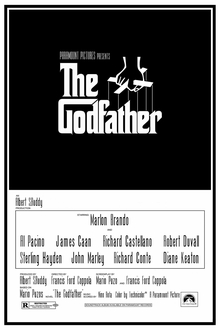
The Godfather, directed by Francis Ford Coppola and released in 1972, stands as a monumental entry in the annals of cinema history, transforming how audiences engage with narratives centered on crime and morality. It transcends the typical gangster film, delving deep into the intricate web of family loyalty and power dynamics that define the Corleone crime family. Coppola's masterful storytelling merges epic scope with intimate character development, allowing viewers to witness not only the brutality of organized crime but also the psychological toll it takes on familial relationships. This duality is not merely a backdrop; it serves as a reflective lens through which audiences can explore the nuances of loyalty, authority, and the cost of power.
Critics unanimously admire The Godfather for its stylish execution and profound cultural impact. The film presents a world where power and authority hierarchies are unyielding, and family legacy dictates behavior and choices. The characters navigate a ruthless landscape driven by power struggles and moral ambiguities, compelling viewers to confront difficult questions about ethics and ambition. As Michael Corleone, played by Al Pacino, evolves from a reluctant outsider to a brutal ruler, the film captures the insidious transformation that power enforces on individuals and their familial bonds.
The portrayal of the Mafia hierarchy is both subtle and authoritative, contributing to the film’s cultural resonance. It speaks to the universal themes of loyalty and betrayal, emphasizing that the most significant conflicts often arise within the family. The Corleone family, emblematic of dynastic struggles, mirrors the complexities inherent in navigating personal connections against the backdrop of criminal enterprise. Coppola masterfully crafts a saga that does not glorify crime; instead, it unearths the human condition beneath the surface of power and authority, offering a hypnotic experience that remains relevant decades after its release.
Commercially, The Godfather was unprecedented in its success, breaking box office records and earning critical acclaim, along with multiple Academy Awards. It established a blueprint for future films in the genre, merging artistic craftsmanship with widespread appeal. Its legacy persists in the realm of popular culture, influencing countless films and television series that aspire to replicate its depth and intricacy. The film has become iconic, not merely for its plot but for its ability to evoke empathy and provoke thought on themes of crime and morality.
As a cinematic tour de force, The Godfather deserves designation as a must-see film for anyone seeking to understand the complexities of film narratives and their emotional heft. It invites the audience into a rich world that is as brutal as it is mesmerizing, crafting an unforgettable viewing experience. As it explores the often inscrutable nature of family dynamics within the confines of criminality, the film serves as both a reflection and a critique of the societal structures that govern loyalty, power, and legacy.