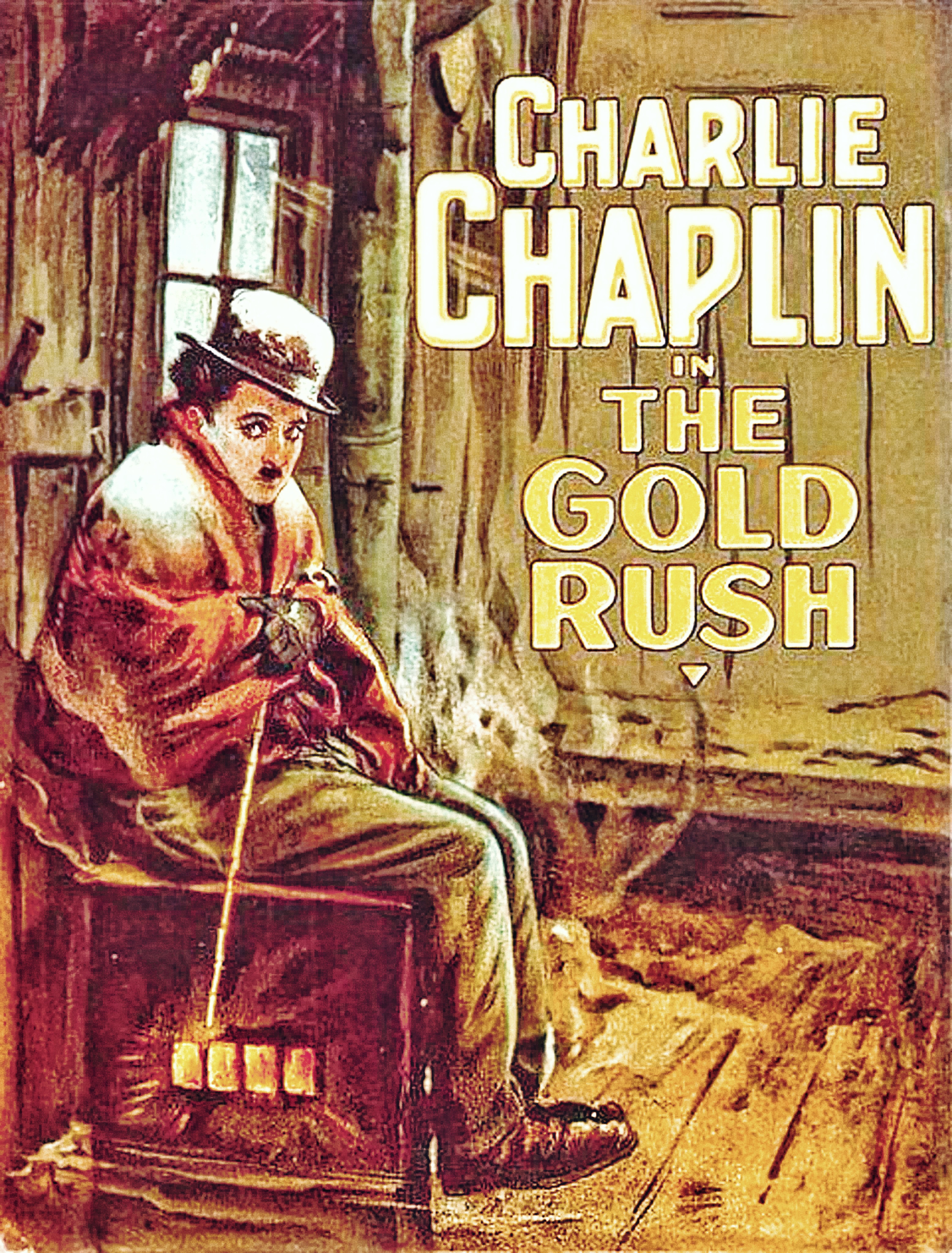
The cinematic landscape of the 1920s was marked by the rise of filmmaking as a respected art form, and Charles Chaplin's The Gold Rush, released in 1925, stands as a towering achievement within this epoch. This movie not only showcases Chaplin's unparalleled genius in blending slapstick humor with profound emotional depth but also serves as a quintessential representation of the silent film era. With its themes of human suffering and aspiration set against the backdrop of the harsh Alaskan wilderness, The Gold Rush reflects the social realities of a time when desperation and longing for success drove individuals to their limits. In the pantheon of film history, this work is often regarded as a masterpiece that captures the essence of the human condition, solidifying Chaplin’s legacy as one of cinema's finest directors.
Critics have consistently lauded The Gold Rush for its innovative comedic sequences and deeply poignant storytelling. The film features some of the most iconic moments in cinematic history, including the unforgettable scene of Chaplin's character, the Little Tramp, preparing and consuming a pair of cooked boots and his whimsical dance with rolls of bread. Such scenes demonstrate Chaplin's ability to intertwine elaborate slapstick humor with acute observations of survival and starvation, painting a rich tapestry of both comedy and human struggle. This blend of humor and heart is a hallmark of Chaplin’s style, which balances laughter with a stark awareness of suffering and resilience.
The emotional resonance of The Gold Rush is further enhanced through its romantic subplot, where the Little Tramp's unrequited love for a beautiful dance hall girl adds layers to an already episodic narrative. Through this relationship, Chaplin artfully explores themes of desire and heartbreak, inviting audiences to feel a deep empathy for the protagonist as he navigates both romantic aspiration and the harsh realities of life. The song "Oceana Roll" serves not only as a motif for the character's dreams but also brings an added layer of depth to the film by echoing its themes of longing and unfulfilled desires.
The restoration and preservation of The Gold Rush, with its timeless comedic timing and artistic direction, has brought renewed attention to Chaplin's work, allowing new generations to appreciate its brilliance. The film's pure humor transcends the silent film medium, illustrating why it is considered a Holy Grail of cinematic achievement that continues to influence filmmakers and entertainers today. It is a true testament to the power of cinema not only to entertain but to evoke profound emotional engagement in the viewer, bridging the gap between laughter and poignant reflection.
In The Gold Rush, Chaplin captures the triumphs and tribulations of the human experience with an impeccable touch that resonates through time. This film remains a vital part of scholarly discussion around early cinema and comedy, revealing the artistry that can arise from even the direst circumstances. Through its brilliantly crafted sequences and profound themes, The Gold Rush is not merely a film; it is a masterpiece that explores the dichotomy of joy and suffering, ensuring its place as an enduring classic in the annals of film history.