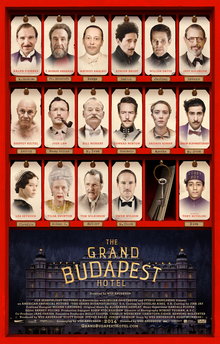
Wes Anderson's The Grand Budapest Hotel stands as a noteworthy chapter in the canon of modern cinematic storytelling, reflecting his characteristic style and thematic preoccupations while also offering a unique blend of elegance and whimsy. Released in 2014, this film furthers Anderson's exploration of meticulously crafted worlds, wherein nostalgia reigns and an adventurous spirit permeates the narrative fabric. Set against the backdrop of a fictional European country during the interwar period, this vibrant tale combines humor with melancholy, inviting viewers to embark on a journey that traverses both time and emotional landscapes.
At the core of The Grand Budapest Hotel lies an intricate examination of friendship and loyalty, epitomized through the relationship between the protagonist, M. Gustave, a decadent concierge played by Ralph Fiennes, and the lobby boy, Zero Moustafa, portrayed by Tony Revolori. Critics have lauded the film for capturing the essence of camaraderie amid a backdrop of chaos, showcasing how bonds forged in adversity offer moments of solace and joy. The film's rich palette and stylized visuals only enhance the nostalgic undertones, creating a setting that feels timeless yet firmly rooted in a period marked by loss and upheaval.
The critical consensus surrounding the film often highlights the delicate balance of humor and pathos, with reviewers noting how Anderson’s whimsical storytelling serves to underscore the profundity of its themes. Through sophisticated visual composition, characterized by symmetrical framing and vibrant color schemes, Anderson crafts a fantastical universe that invites viewers to not only escape reality but also reflect on the nature of memory and the passage of time. The film serves as a poignant reminder of both what was and what is lost, as well as an exploration of the adventurous spirit that persists despite the inevitability of change.
In referencing the quirkiness inherent in Anderson's films, The Grand Budapest Hotel can be viewed as a quintessential representation of his artistic vision, marked by eccentric characters and a narrative that straddles reality and fantasy. The film is an ode to a bygone era, evoking a sense of longing for simpler times while simultaneously confronting the complexities of human relationships. It is as much about the opulent charm of the hotel itself as it is about the bonds formed within its walls, each room holding the whispers of the past that resonate deeply with the present.
Ultimately, The Grand Budapest Hotel resonates on multiple levels, blending adventure with an exploration of friendship and loyalty amidst the specter of loss. Anderson’s film not only stands as a critical success but also as a beloved hallmark of his oeuvre, inviting audiences to revel in its whimsy while reflecting on the deeper truths of our shared human experience. In aligning with the broader themes of nostalgia and adventure, the film continues to inspire discussions about the nature of storytelling and the bittersweet essence of memory.