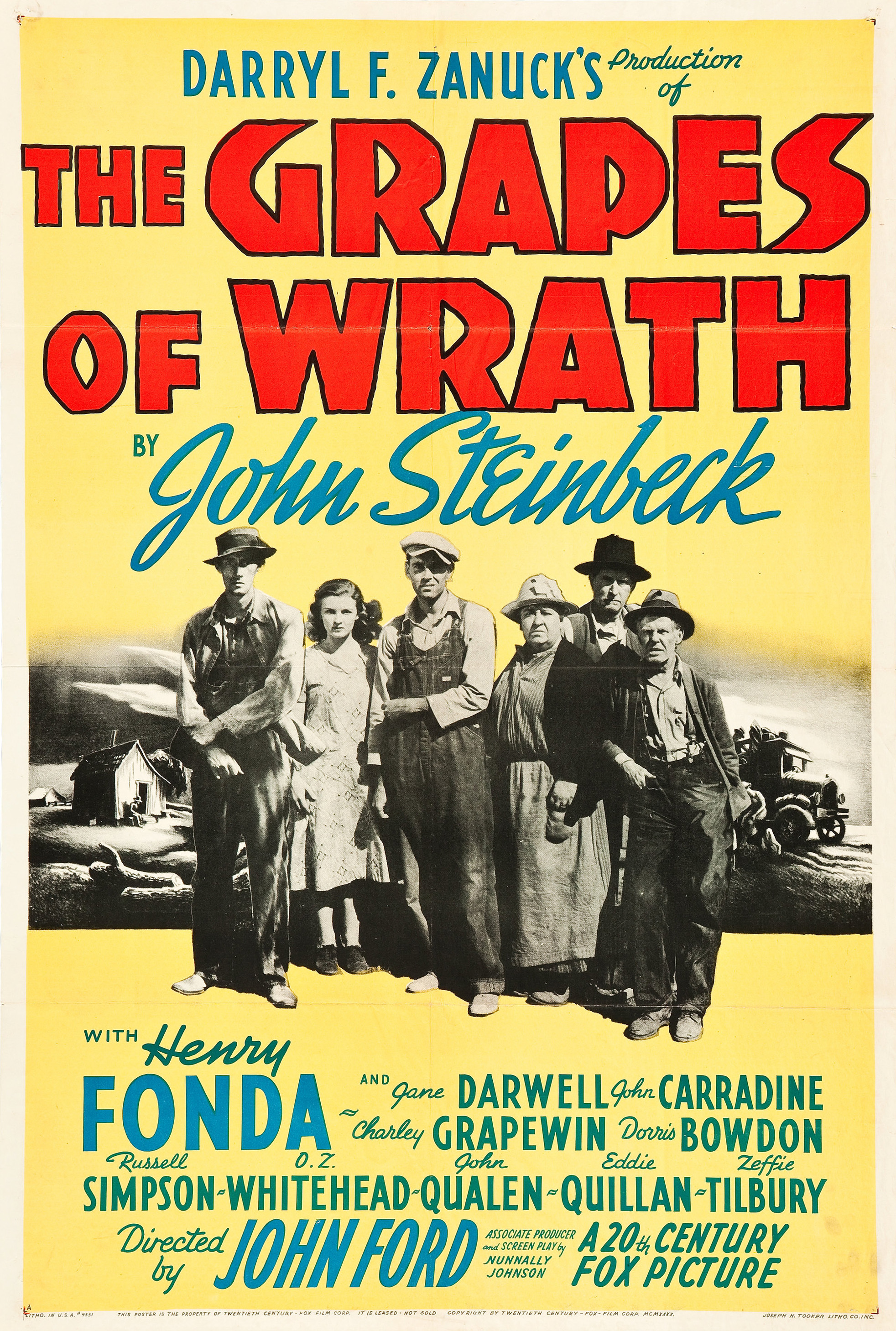
John Ford's The Grapes of Wrath stands as a seminal work in the canon of American cinema, embedded not only in the historical context of the Great Depression but also within Ford's distinguished filmography. Released in 1940, this adaptation of John Steinbeck's acclaimed novel captures the harrowing journey of the Joad family as they migrate westward in search of dignity and opportunity amidst pervasive social injustices. Ford's directorial brilliance is evident in his ability to blend powerful storytelling with authentic portrayals of human resilience, marking the film as a touchstone for both its time and subsequent generations.
Critics have celebrated The Grapes of Wrath for its unflinching depiction of family struggle during one of America's most challenging economic periods. The film resonates deeply with audiences due to its powerful themes of migration, resilience, and the ongoing fight against social injustice. Ford’s visual storytelling compellingly conveys the desperation of the Joad family while also highlighting their unwavering commitment to one another, a testament to familial bonds that not only survive but thrive in the face of adversity. The authentic performances of the ensemble cast contribute to this emotional depth, drawing viewers into the harsh realities faced by those affected by the economic collapse.
At its core, The Grapes of Wrath serves as a poignant critique of the American dream and the moral responsibilities of society towards its most vulnerable members. The film tackles the systemic inequalities that plague the disenfranchised, illustrating how widespread poverty and exploitation impact not only individuals but entire families and communities. Through its moving narrative, it effectively calls into question the ideals of progress and prosperity that often overshadow the human cost of such pursuits. Critics have noted that Ford’s artistic choices amplify these themes, creating an impactful work that feels both timely and timeless.
The lasting impact of The Grapes of Wrath is not limited to its release period; its relevance has echoed through decades, inviting reflection on contemporary issues of socioeconomic disparity and migration. Ford's masterful direction captures the essence of Steinbeck's vision, rendering a film that remains a crucial reference point in discussions of American identity and social justice. As audiences continue to grapple with similar themes in today's world, The Grapes of Wrath serves as a reminder of the profound resilience of families and the unwavering spirit of those who fight against the odds for a better future.
Ultimately, The Grapes of Wrath is more than just a historical drama; it is a moving testament to human endurance in the face of systemic barriers. Its authentic portrayal of the struggles and triumphs of the Joad family resonates deeply, ensuring its status not only as a cinematic classic but also as a powerful cultural commentary that challenges us to confront the truths of our own time.