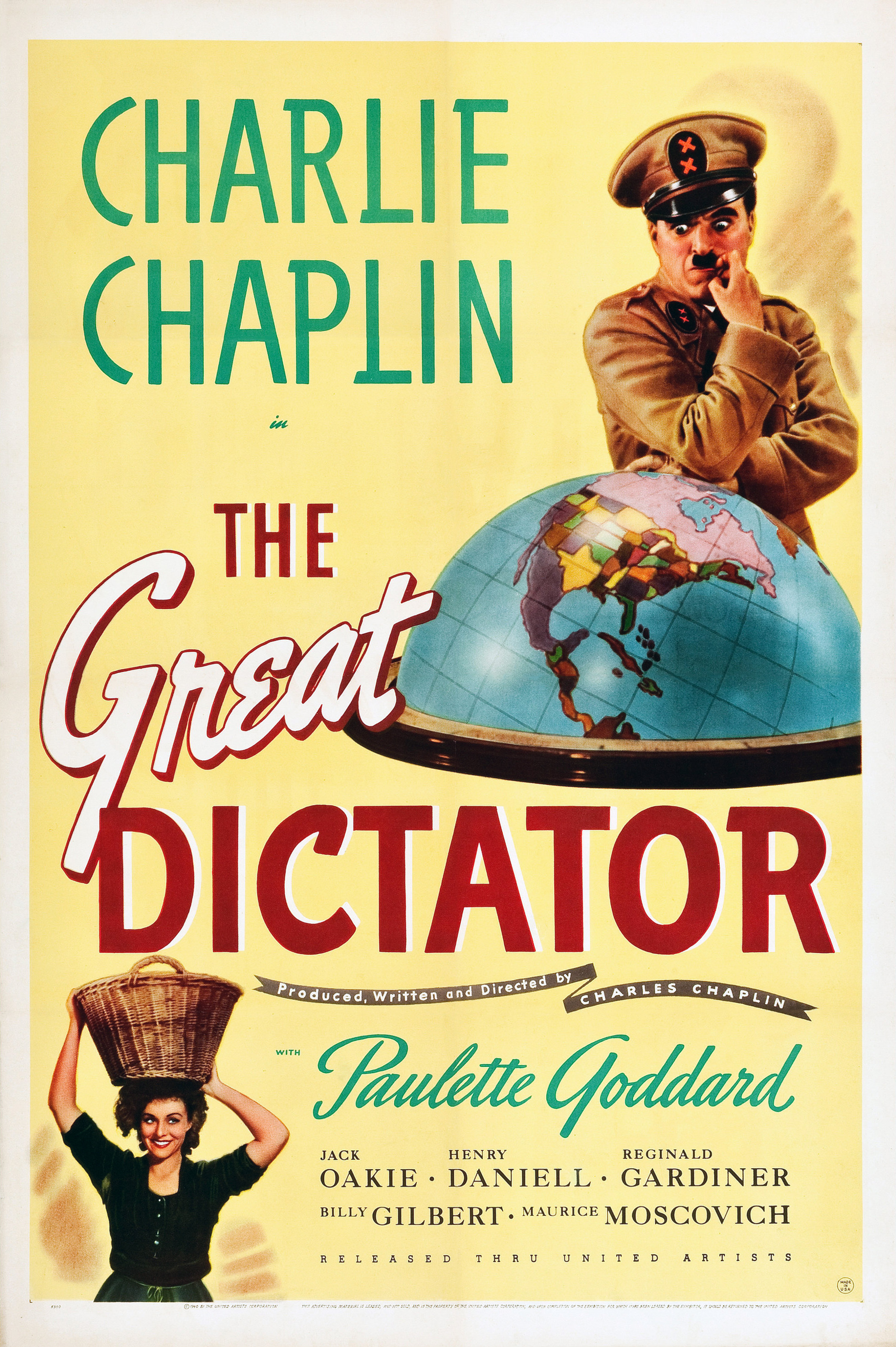
Charles Chaplin’s The Great Dictator, released in 1940, stands as a poignant commentary on the rise of totalitarianism during an era fraught with global conflict. As one of Chaplin's most ambitious works, the film marks a critical departure from his earlier silent charm, marrying humor and tragedy in a bold statement against the oppressive regimes of Hitler and Mussolini. Positioned within the filmmakers' broader oeuvre, The Great Dictator embodies Chaplin’s struggle to reconcile his beloved comic icon, the Tramp, with the serious realities of a world on the brink of war. It holds a significant place in cinema history, symbolizing not only Chaplin's evolution as a filmmaker but also the resilience of artistic expression in the face of tyranny.
Critics widely regard The Great Dictator as a masterpiece for its scathing yet humanistic critique of dictatorship. Through the dual roles of a Jewish barber and a tyrant, Chaplin deftly satirizes the absurdity of totalitarian rule while simultaneously shining a light on the relentless persecution of Jews, a theme that resonates deeply with audiences even today. The film navigates complex emotions with a brave, piercing tone, blending humor with a tragedy that reflects the darkest aspects of humanity amidst turmoil. This balance of satire and sincerity solidifies its legacy as a powerful and timeless statement on the importance of compassion in a world dominated by fear.
Across diverse reviews, the film has been praised for its bold satire, which lays bare the tragic consequences of individual apathy in the face of rising fascism. Chaplin’s critique is savage yet imbued with a yearning for human connection and solidarity. His performance, embodying both the bumbling dictator and the oppressed barber, highlights the film's uncanny ability to provoke thought while eluding despair. The historical context of its creation further intensifies the film’s impact, reminding viewers of the urgency of its message amid contemporary parallels with modern authoritarianism.
Importantly, The Great Dictator showcases Chaplin's progressive vision, boldly addressing societal issues that were often shrouded in silence. The film advocates for the dignity of the individual and the necessity of fighting against hatred and oppression, framing a hopeful call for a better world. In an age where cinema often shies away from deep political engagement, Chaplin’s voice emerges as both a beacon of hope and a warning. Through its compelling narrative and unforgettable imagery, The Great Dictator remains a significant cultural artifact that reverberates across generations, challenging audiences to reflect on their own roles in the ongoing fight for human rights and dignity.